To see your statistics you must sign up and complete your trips.

Place finder


Or search by category:
DEPARTURES
Your trips and those of the people you follow.
Date
Traveller
To
Status
NO TRIPS ON THE BOARD YET
Sign up to plan your trips and see those of the people you follow.

What's new

Sale Advertising 11/19/2026
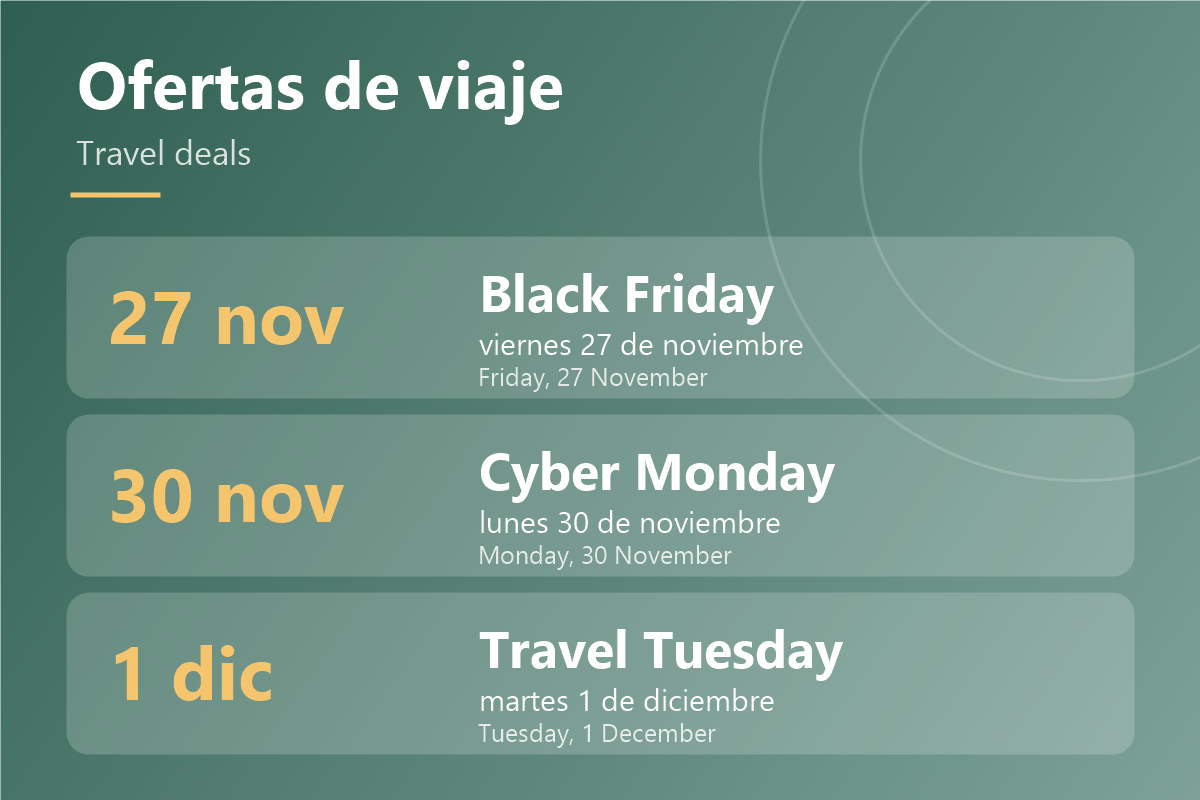
Black Friday, Cyber Monday and Travel Tuesday 2026: dates and travel deals
THE DATES IN 2026 - Black Friday: Friday, 27 November 2026. - Cyber Monday: Monday, 30 November 2026. - Travel Tuesday: Tuesday, 1 December 2026. These are the usual dates, but each shop and company sets its own: many bring their offers forward to the previous week ("Black Week") or extend them for several days. WHAT EACH DAY IS Black Friday is the Friday after United States Thanksgiving, which falls on the fourth Thursday of November, and marks the start of Christmas shopping. Cyber Monday is the following Monday and is aimed at offers in online shops. Travel Tuesday is the Tuesday after Cyber Monday and is dedicated to travel: flights, hotels, packages, car rental, trains, cruises and activities. HOW TO MAKE THE MOST OF THEM - Decide the destination and dates beforehand, and note the normal price of what you want to buy to check that the discount is real. - Compare several sites, including the official website of the airline or the accommodation. - Set price alerts for the flights and hotels you are interested in a few days earlier. - If you have room to manoeuvre, go with flexible dates: midweek and outside high season it is usually cheaper. - Check which offers are for immediate booking and which are vouchers to use later. BEFORE YOU PAY - Read the cancellation and change policy: many discounted fares are not refundable. - Check what the final price includes: luggage, taxes, breakfast or booking fees. - Look at the validity of vouchers: dates of use, destinations and whether they can be changed. - Pay only on secure websites and be wary of offers that look too good to be true. - Consider buying travel insurance if the booking cannot be cancelled. This card is for information only: Treep does not sell trips, does not run these offers and does not receive a commission from them.
New blog 11/12/2026
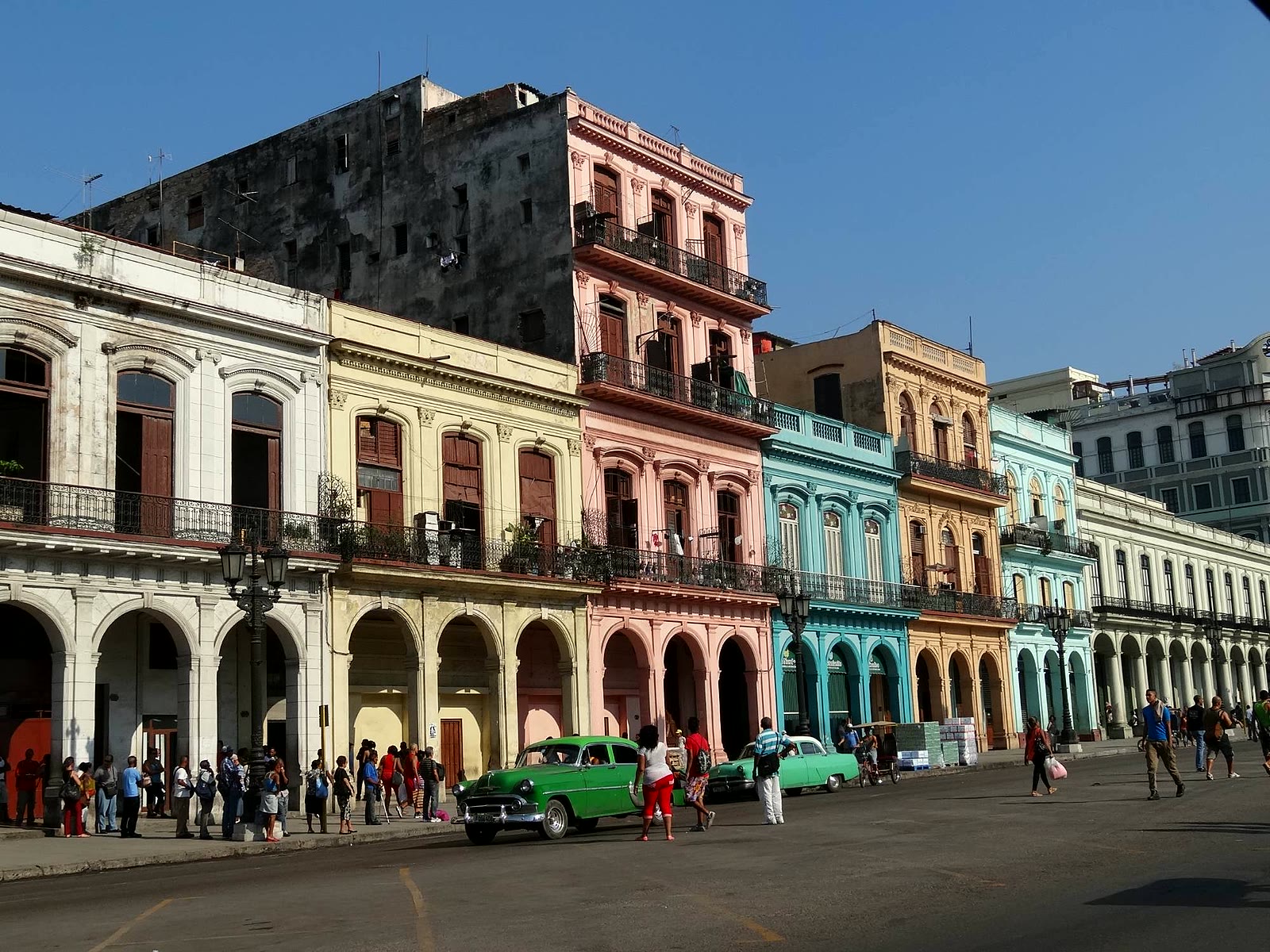
Havana in 3 days: classic cars, mojitos and a city that wins you over despite everything
ES EN
Information 11/11/2026
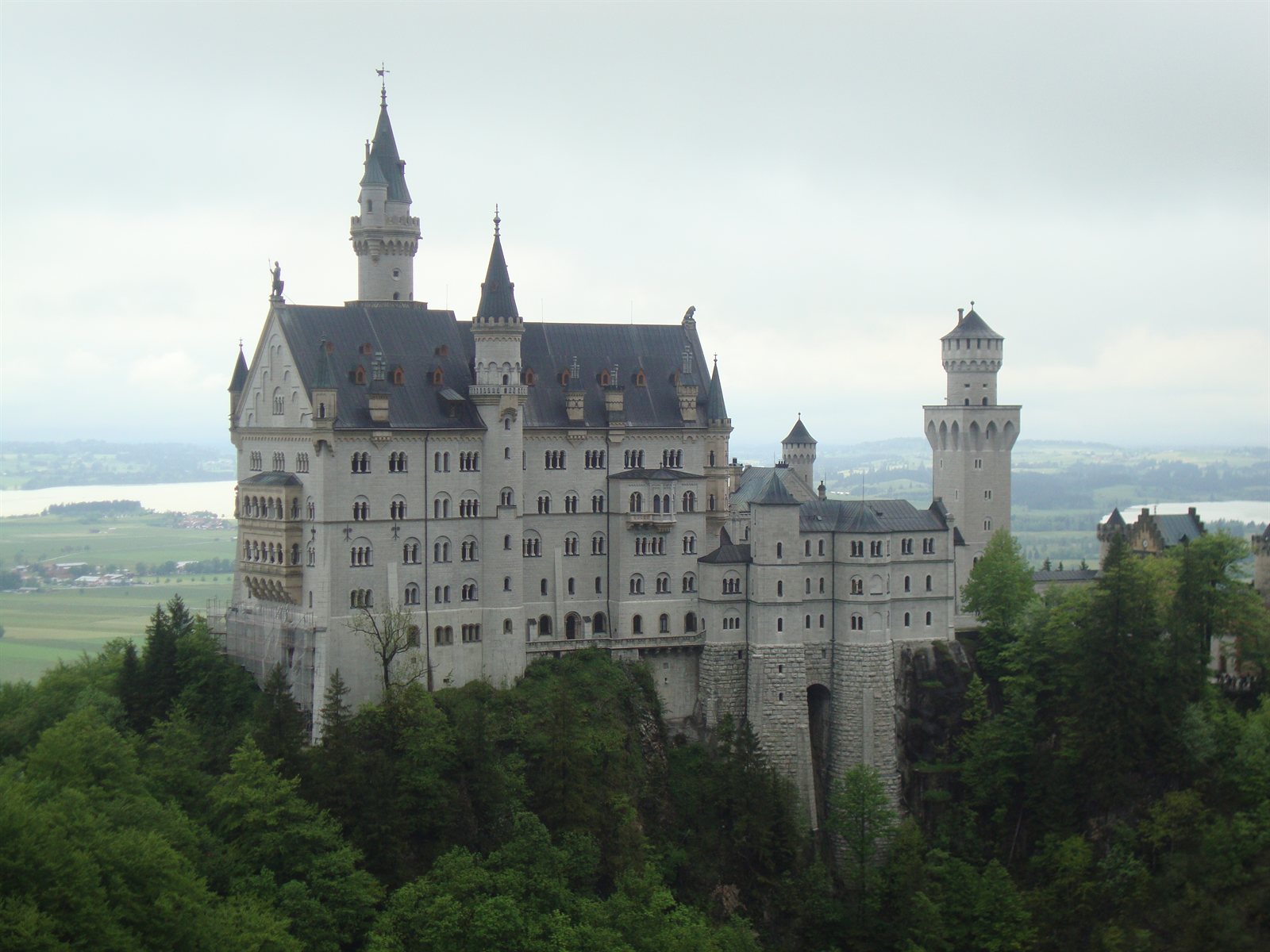
Neuschwanstein Castle, Bavaria’s fairy-tale castle
Neuschwanstein Castle (“new swan stone” in German) is a 19th-century palace built on a rocky ridge next to Hohenschwangau, in the municipality of Schwangau, near Füssen, in the Bavarian Alps (Germany). It was commissioned by King Ludwig II of Bavaria and today it is one of the most visited and photographed castles in Germany. ITS HISTORY Ludwig II (1845-1886) laid the foundation stone in 1869. He wanted a retreat of his own and a tribute to the composer Richard Wagner and to the medieval Germanic legends that inspired his operas. The project is attributed to the architect Eduard Riedel, with sets by the stage designer Christian Jank, and it was later continued by Georg von Dollmann and Julius Hofmann. The king moved in in 1884 but hardly lived there: he died in June 1886, in circumstances that are still debated, on Lake Starnberg, and a few weeks later the castle was opened to the public. It was never finished: planned rooms and towers were left unbuilt. OUTSIDE AND INSIDE It is Romanesque Revival in style, with towers, battlements and a pale stone façade, designed more as a legend’s stage set than as a fortress. Inside, the highlights are the Throne Hall, Byzantine in inspiration; the Singers’ Hall, dedicated to Wagner’s legends; the king’s bedroom, in carved wood; and an artificial grotto. Despite its medieval look, it had the advances of its day, such as central heating, running water and a telephone. It is often cited as one of the inspirations for Disney’s Sleeping Beauty Castle. HOW TO VISIT - The interior can only be seen on a guided tour of about 30 minutes, at the time shown on your ticket. Photography and filming are not allowed inside; check the official website for the languages available. - Tickets have a fixed time and are bought online or at the ticket centre in Hohenschwangau. In high season they sell out: book ahead. - From the village of Hohenschwangau, the climb is about 30 to 40 minutes on foot up a steep slope. There is also a shuttle bus and a horse-drawn carriage, both paid. - The most famous view of the castle is from the Marienbrücke bridge, over the Pöllat gorge, about 90 metres up. Access may close for works or because of the weather: check before you go. - Nearby: Hohenschwangau Castle, where Ludwig II grew up; Lake Alpsee; the Museum of the Bavarian Kings; and the old town of Füssen. HOW TO GET THERE From Munich it is about 120 km (around 2 hours by car). By train, go to Füssen (around 2 hours) and from there a bus of about 10 minutes takes you to Hohenschwangau. The nearest airport is Munich. WHEN TO GO It is open all year, with shorter hours in winter: check opening times and closing days on the official website. Spring and autumn are usually good times, with fewer people than in summer. With snow the landscape is beautiful, although the climb can be icy. In July and August there are longer queues. HOW LONG YOU NEED For the castle, the climb and the photo from the bridge, allow half a day. If you add Hohenschwangau and Lake Alpsee, a full day. Other castles of Ludwig II, such as Linderhof or Herrenchiemsee, need another day each. TIPS Book your ticket in advance and arrive with time to spare: the tour starts on time and the climb takes a while. Wear comfortable shoes and warm clothes, because the weather in the mountains changes quickly. You cannot take photos inside, so take them from outside. Check prices, opening times and possible works (the castle often has scaffolding for restoration) on the official website, neuschwanstein.de.
Sale Advertising 11/06/2026
Travel insurance with IATI Seguros: 5% off
ADVERTISING · AFFILIATE LINK Treep may receive a commission if you buy through this link, at no extra cost to you. With the Treep link you get a 5% discount when you buy your travel insurance from IATI Seguros. Travelling without insurance means risking paying out of your own pocket for a medical emergency, a cancellation or a lost suitcase far from home. Travel insurance usually covers medical assistance and repatriation, trip cancellation or interruption, luggage and civil liability, but the cover, limits and exclusions depend on each policy: compare them and read the conditions before you buy. If you travel within the European Union, the European Health Insurance Card covers public healthcare, but not repatriation or trip cancellation. IATI Seguros is a Spanish insurance broker specialised in travel insurance, with plans for different kinds of trip. You can see its plans and prices with the button below. The discount and its conditions are set by IATI Seguros. Treep is not an insurer or an insurance intermediary and does not advise you on which policy to buy.
Information 11/06/2026
U.S. Route 66: from Chicago to Santa Monica
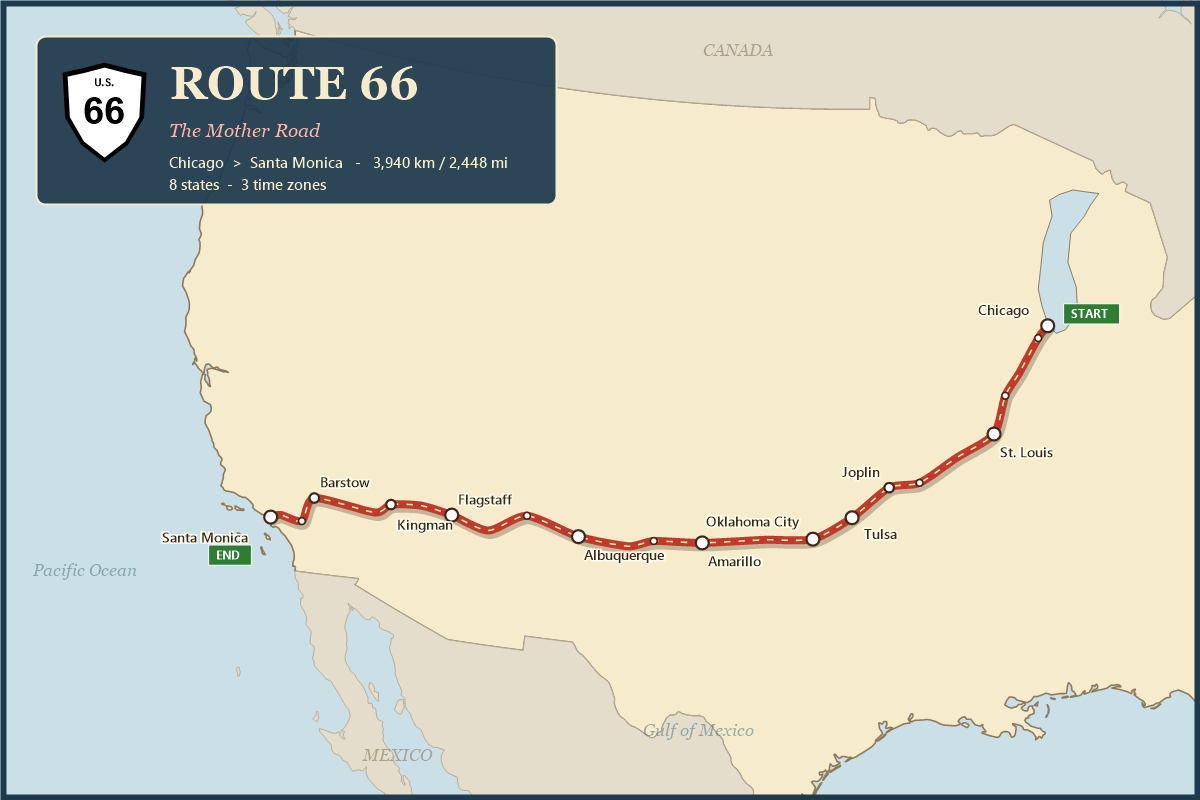
U.S. Route 66 is the most famous road in the United States: about 3,940 km (2,448 miles) that linked Chicago, in Illinois, with Santa Monica, in California, crossing eight states and three time zones. It was created in November 1926 and for decades it was the great road west; in 2026 it turns one hundred. WHAT IT IS It is known as “the Mother Road”, a name given to it by the writer John Steinbeck in “The Grapes of Wrath” (1939), the novel about the families who fled to California during the Great Depression and the Dust Bowl. It was also called “the Main Street of America”. After the Second World War it enjoyed its golden age, with motels, roadside diners and neon signs, until the interstate highways gradually replaced it. In 1985 it was officially removed from the federal highway system, but many stretches are preserved as “Historic Route 66” and today it is a cult road trip. WHERE IT STARTS In Chicago (Illinois). The “Begin Route 66” sign is on Adams Street, next to Michigan Avenue, near Grant Park and the Art Institute. It is the classic starting point for those who drive it from east to west. WHERE IT ENDS In Santa Monica (California), on the shore of the Pacific. The historic end is in Santa Monica, and the classic photo is taken by the “End of the Trail” sign, near the Santa Monica Pier. CITIES AND STATES IT CROSSES (east to west) - Illinois: Chicago, Joliet, Pontiac, Bloomington-Normal, Springfield. - Missouri: St. Louis, Rolla, Springfield, Joplin. - Kansas: only about 21 km (13 miles), with Galena and Baxter Springs. - Oklahoma: Miami, Tulsa, Oklahoma City, Clinton, Elk City. - Texas: Shamrock, McLean, Amarillo, Vega, Adrian. - New Mexico: Tucumcari, Santa Rosa, Albuquerque, Gallup. - Arizona: Holbrook, Winslow, Flagstaff, Williams, Seligman, Kingman, Oatman. - California: Needles, Barstow, San Bernardino, Pasadena, Los Angeles and Santa Monica. MUST-SEE STOPS - Chicago: the starting sign and a breakfast at Lou Mitchell's, the traditional first stop. - Springfield (Illinois): the Cozy Dog Drive In, which claims to have popularised the corn dog, the battered sausage on a stick. - St. Louis (Missouri): the Gateway Arch, 192 metres tall, and the Chain of Rocks Bridge, a former Route 66 bridge over the Mississippi, now for pedestrians and cyclists. For something typical, try the frozen custard at Ted Drewes. - Galena (Kansas): an old rusty tow truck that inspired the character Mater in the film Cars. - Catoosa (Oklahoma): the Blue Whale, a giant sculpture from the 1970s beside a pond. - Arcadia (Oklahoma): the round barn of 1898 and Pops, with its giant soda bottle. - Amarillo (Texas): the Cadillac Ranch, ten cars buried nose-down in the ground in 1974 that visitors spray-paint, and the Big Texan restaurant, famous for its 72-ounce steak. - Adrian (Texas): the Midpoint Café and the sign marking the midpoint of the route. - Tucumcari (New Mexico): the Blue Swallow Motel (1939) and its neon signs. - Albuquerque (New Mexico): Central Avenue, with historic motels and neon signs. - Gallup (New Mexico): the El Rancho Hotel (1937), where film stars used to stay. - Holbrook (Arizona): the Wigwam Motel, with rooms shaped like tepees, and Petrified Forest National Park, the only national park that preserves a stretch of Route 66. - Winslow (Arizona): the “Standin' on the Corner” park, dedicated to the Eagles song “Take It Easy”. - Flagstaff and Williams (Arizona): the historic centre of Flagstaff and, from Williams, a trip to the Grand Canyon, about 100 km away. - Seligman and Oatman (Arizona): the barber shop of Angel Delgadillo, a driving force behind the preservation of the route, whose town partly inspired Radiator Springs; and the wild burros of Oatman, along a road with tight bends. - Barstow and San Bernardino (California): the Route 66 museum in the Casa del Desierto station and the site of the first McDonald's. - Santa Monica (California): the pier and the “End of the Trail” sign. HOW LONG YOU NEED Driving it end to end is about 40 hours behind the wheel, but the ideal is to give it about two weeks (10 to 14 days), with 300 to 400 km a day. It can be done in eight days, though in a rush. WHEN TO GO The best times are spring (April to June) and early autumn (September and October). In summer it is very hot in the Arizona and California deserts, above 40 °C, and in winter there can be snow and ice in Illinois, Missouri, New Mexico and the high parts of Arizona, such as Flagstaff. Many tourist businesses are seasonal. HOW TO DO IT Most people drive, and the usual choice is to rent a car in Chicago and return it in Los Angeles, although some companies charge a one-way fee. It is also very popular by motorbike. Much of the original road runs alongside, or beneath, the I-55, I-44, I-40, I-15 and I-10 interstates, and some stretches have been lost; follow the brown “Historic Route 66” signs and carry a dedicated guide or app, such as the “EZ66 Guide for Travelers”. In Arizona and the Mojave Desert there are stretches with few petrol stations and little mobile coverage: fill the tank and carry water. WHERE TO SLEEP Part of the charm of the trip is the historic motels, such as the Blue Swallow in Tucumcari, the Wigwam in Holbrook or the El Rancho Hotel in Gallup. In high season it is worth booking ahead, especially in small towns. WHAT TO EAT Breakfasts in roadside diners, steak in Texas, onion burgers in Oklahoma, green chile in New Mexico, Navajo tacos in Arizona and frozen custard in St. Louis. Diners usually accept cards, but in the smallest businesses it is worth carrying some cash. TIPS Before travelling, check the entry requirements for the United States: travellers from many countries, including Europeans, need an ESTA or a visa. Take out travel health insurance, because healthcare is very expensive. Find out whether you need an international driving permit. Traffic drives on the right and speeds are in miles per hour. You will cross three time zones (Central, Mountain and Pacific), and Arizona does not change its clocks in summer. Respect private property when photographing ruins and check the opening times and status of places before going, because many businesses change or close.

New blog 11/06/2026
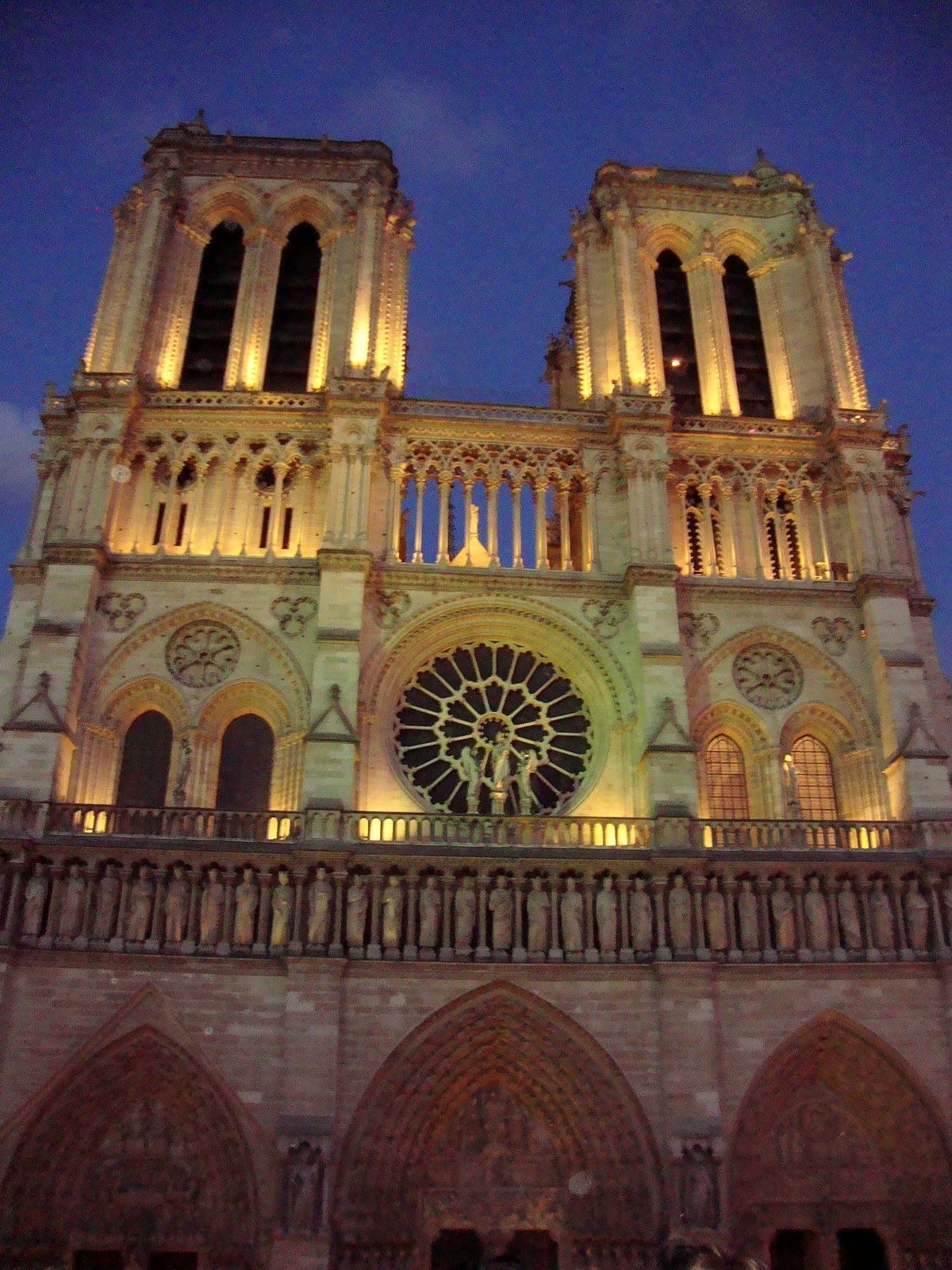
Paris in 4 days: Notre-Dame, the Louvre, the Eiffel Tower, Montmartre and the Luxembourg Gardens
ES EN
New blog 11/06/2026
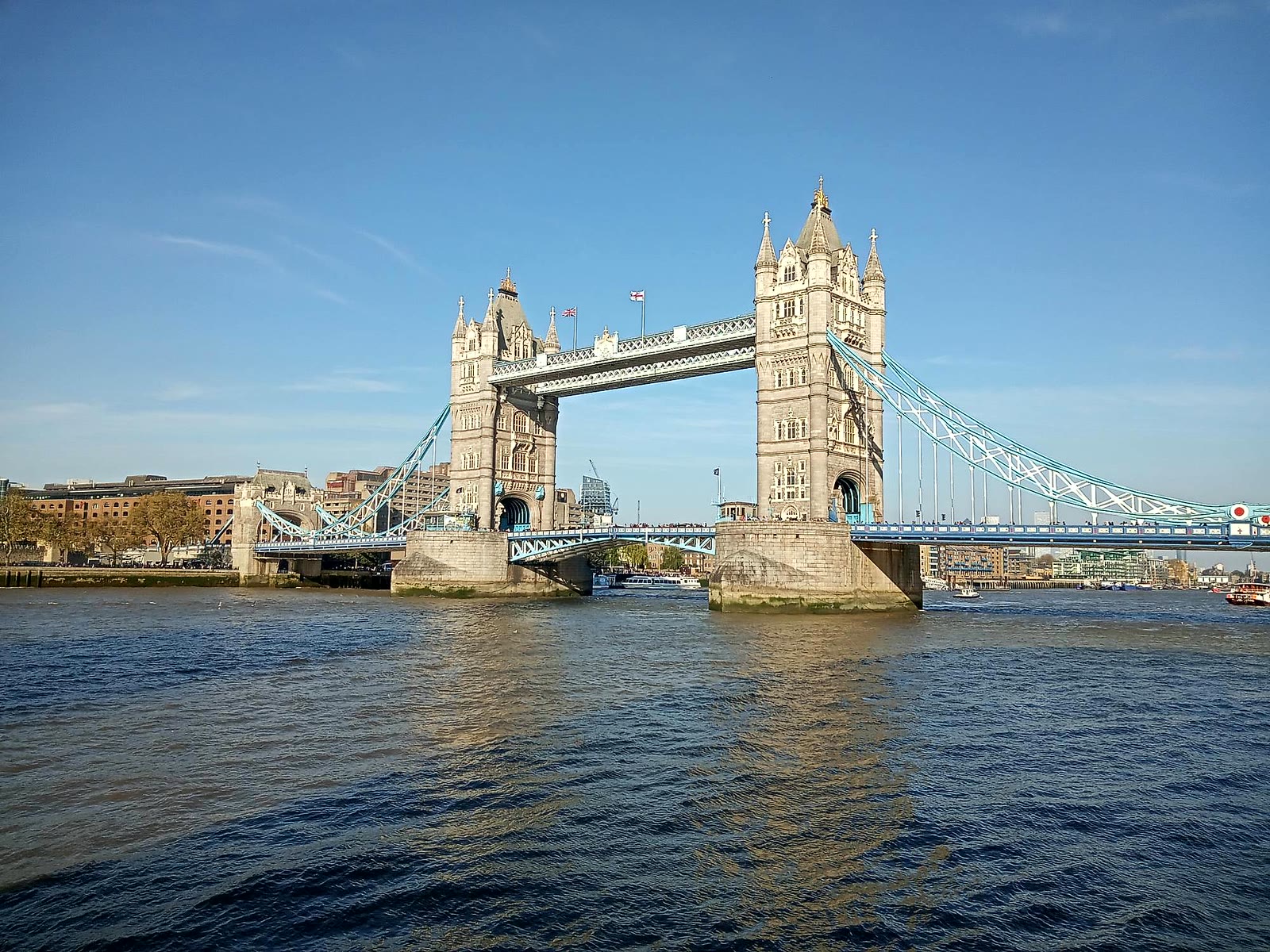
London in 3 days: Big Ben, the London Eye, Tower Bridge and Notting Hill, with a day trip to Oxford
ES EN
New blog 11/05/2026
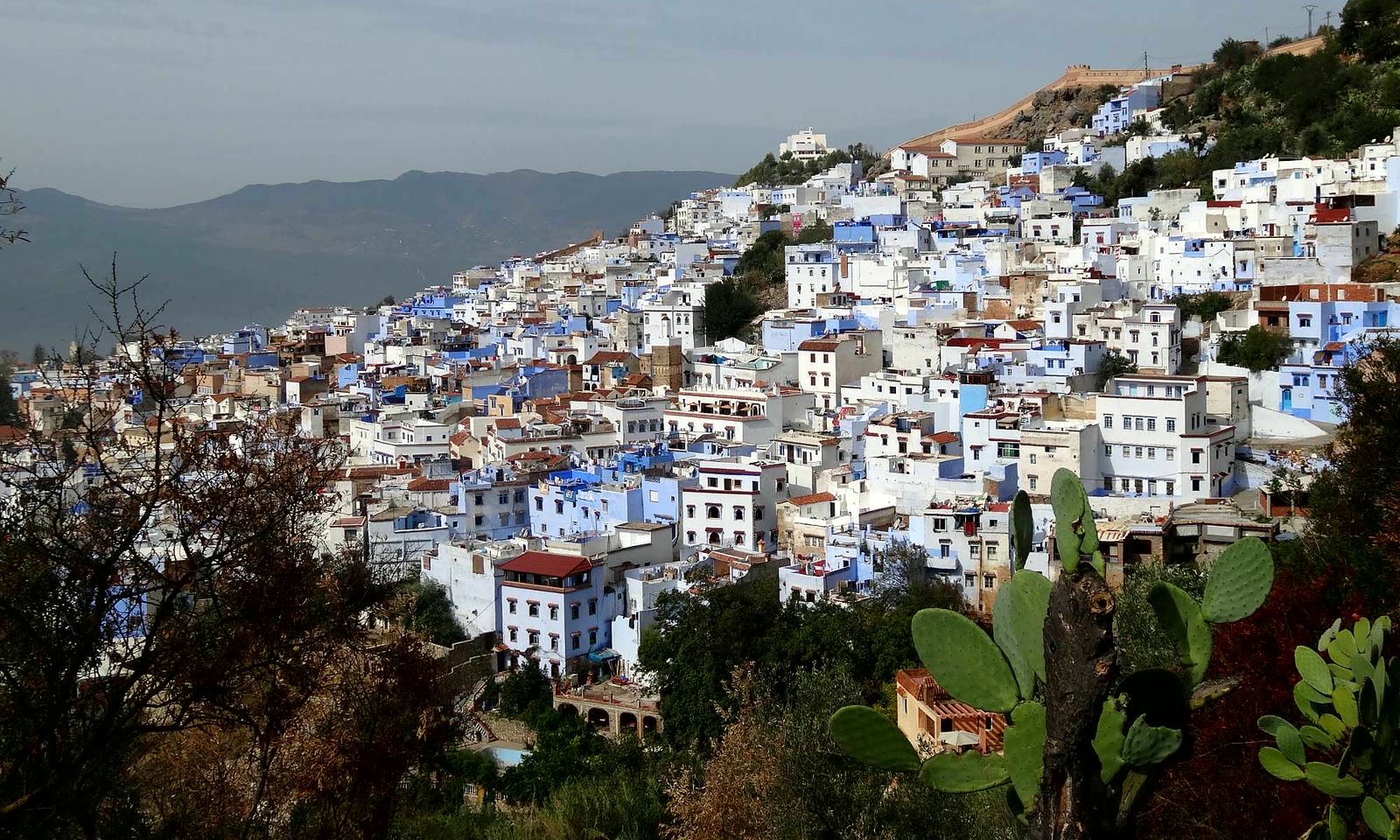
Chefchaouen in 2 days: the blue city of the Rif, among alleys, spices and cats
ES EN
New blog 11/05/2026
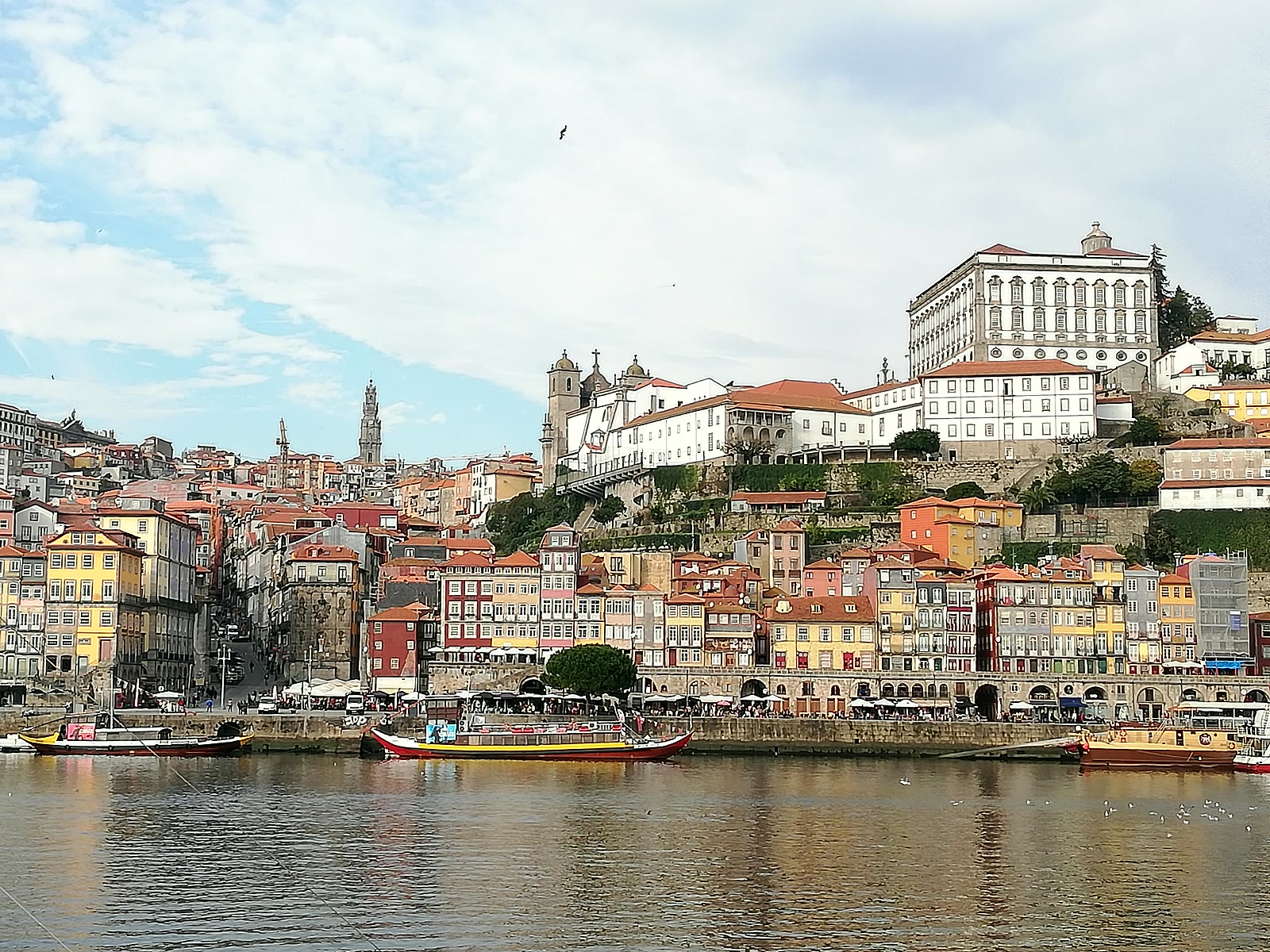
Porto in 3 days: the Ribeira, the Dom Luís I Bridge and port wine
ES EN
New blog 11/05/2026
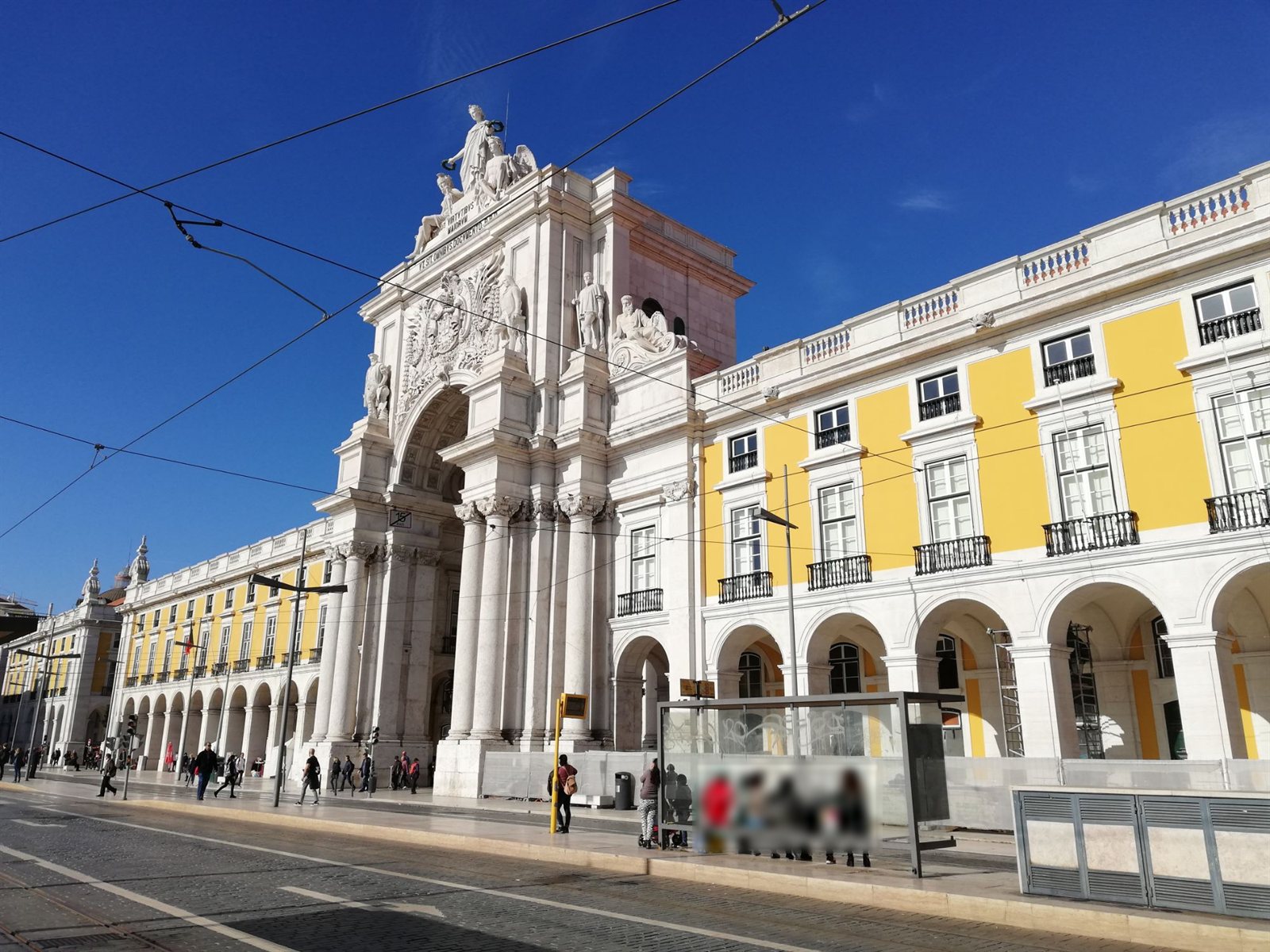
Lisbon in 3 days: yellow trams, viewpoints and pastéis de nata
ES EN
Votes 11/04/2026
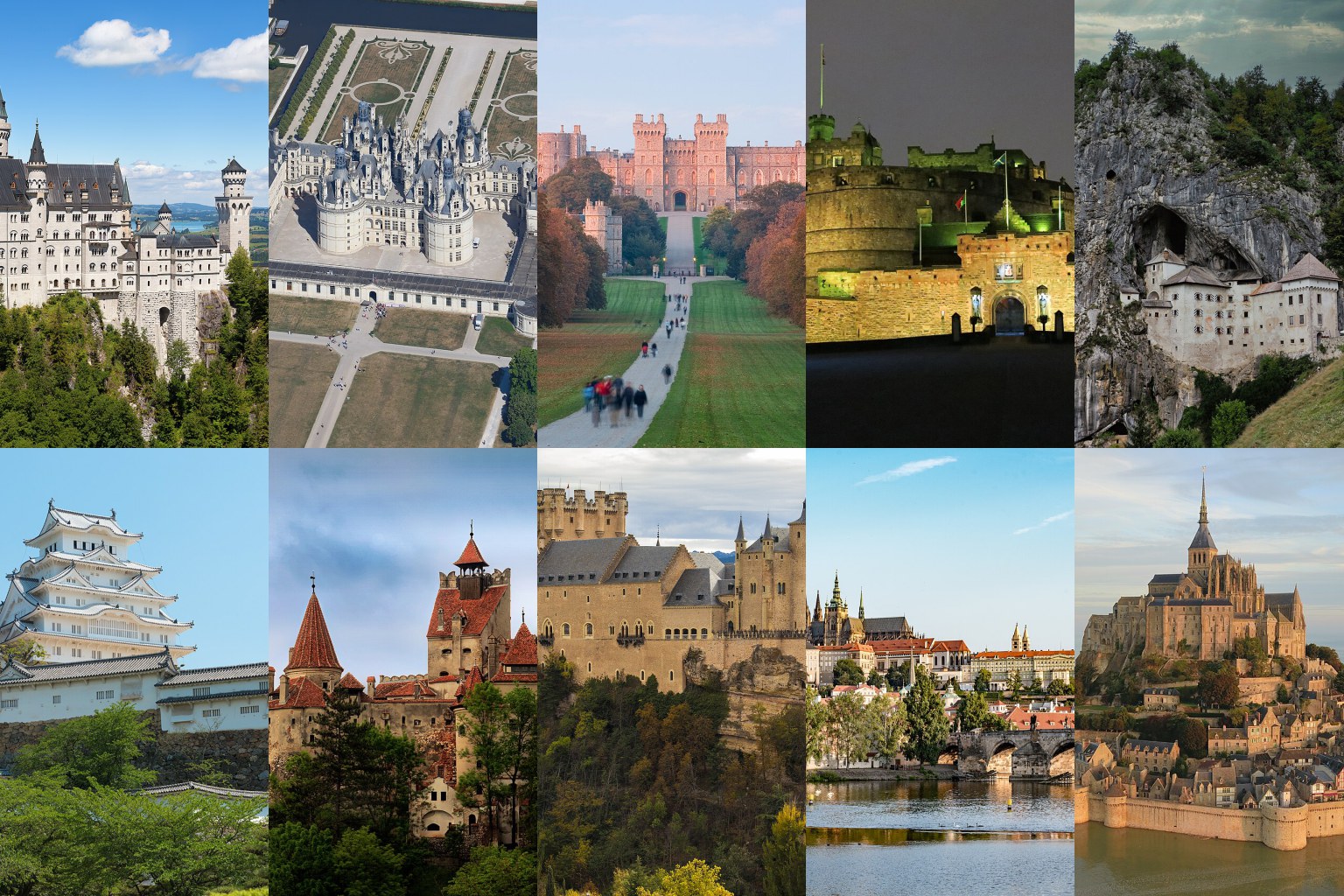
Vote: the most beautiful castles in the world
We picked some of the most spectacular castles in the world. Come vote for your favourite.
Information 11/03/2026
Camino de Santiago: the French Way
The French Way is the most popular route of the Camino de Santiago: about 780 km on foot from Saint-Jean-Pied-de-Port (France) to the cathedral of Santiago de Compostela. WHAT IT IS It is a pilgrimage route of medieval origin that crosses northern Spain from east to west. It was the first European Cultural Route (1987) and the French Way, together with other routes, is a UNESCO World Heritage Site. Every year hundreds of thousands of people walk it, for religious or sporting reasons, or simply to disconnect. ROUTE AND STAGES It is usually done in about 30-35 days, in stages of 20 to 30 km: - Pyrenees and Navarre: Saint-Jean-Pied-de-Port, Roncesvalles, Zubiri, Pamplona, Puente la Reina, Estella. - La Rioja: Logroño, Nájera, Santo Domingo de la Calzada. - Castilian plateau: Burgos, Castrojeriz, Frómista, Carrión de los Condes, Sahagún. - León: León, Astorga and the Cruz de Ferro pass. - El Bierzo and Galicia: Ponferrada, O Cebreiro, Triacastela, Sarria, Portomarín, Palas de Rei, Arzúa and Santiago de Compostela. Many people walk it in sections or only the last 100 km, from Sarria. THE CREDENTIAL AND THE COMPOSTELA The pilgrim credential is the document where the stamps of hostels, churches and bars are collected. To get the Compostela, the certificate issued at the Pilgrim Office in Santiago, you must have walked at least the last 100 km (200 km by bike) and carry two stamps per day on that stretch. WHERE TO SLEEP Pilgrim hostels (municipal, parish and private) are the cheapest and most social option, with bunk beds and shared kitchens. There are also guesthouses, hostels and country houses. In high season it is worth booking or leaving early to find a bed. WHEN TO GO The best times are spring (May and June) and autumn (September and October). In summer it is very hot on the plateau and there are more people. In winter it is cold and it snows in the Pyrenees and at O Cebreiro, and some services close. WHAT TO PACK Comfortable, broken-in footwear, a light backpack (around 10 % of body weight), technical clothing, a rain jacket, sunscreen, a first-aid kit for blisters, a scallop shell and trekking poles if you wish. WAYMARKING Yellow arrows and scallop shells mark the way. The traditional greeting among pilgrims is Buen Camino. WHAT TO EAT Galician octopus, caldo gallego, Padrón peppers and Santiago almond cake in Galicia; botillo in El Bierzo; cocido maragato in Astorga; roast lamb in Castile; Rioja and El Bierzo wines. The pilgrim menu is an affordable option in many villages. TIPS Start with short stages, walk early to avoid the heat, drink plenty of water, look after your feet and respect your own pace. Check the situation of the routes and services before leaving, as they may change.
New blog 11/03/2026
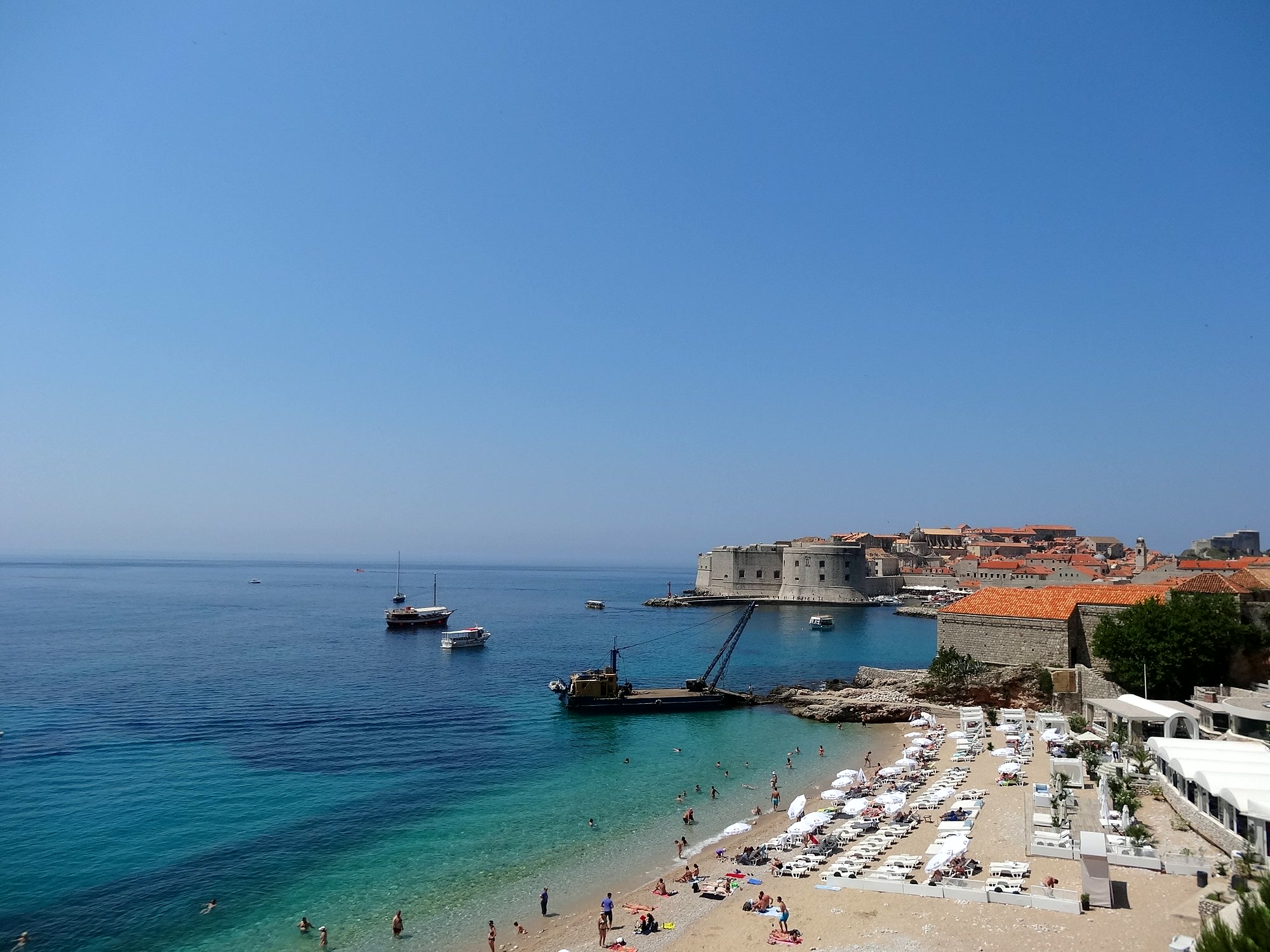
Dubrovnik in 3 days: city walls, Stradun and the pearl of the Adriatic
ES EN
New blog 11/03/2026
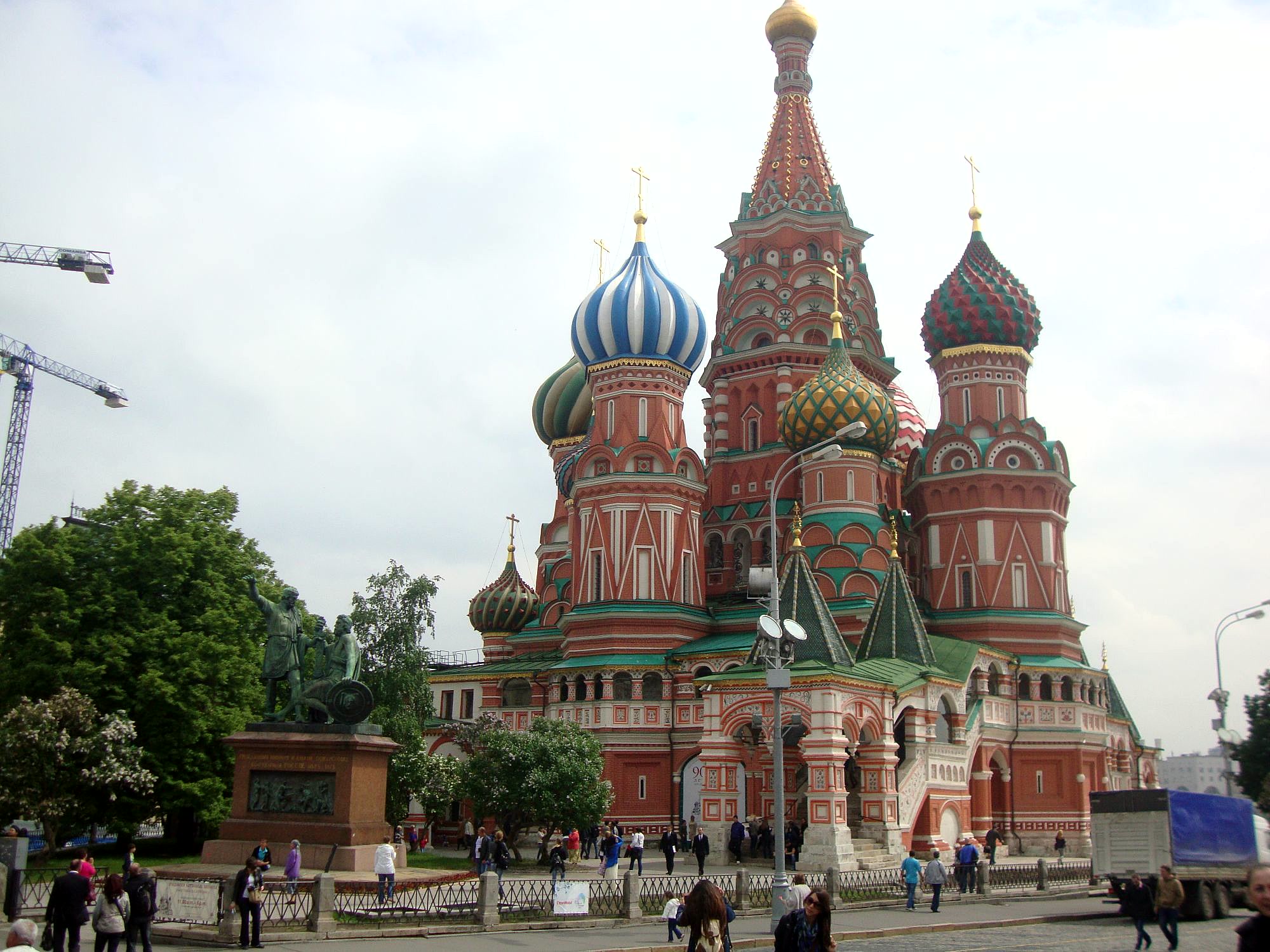
Moscow in 4 days: Red Square, the Kremlin, Soviet skyscrapers and much more
ES EN
New blog 11/02/2026
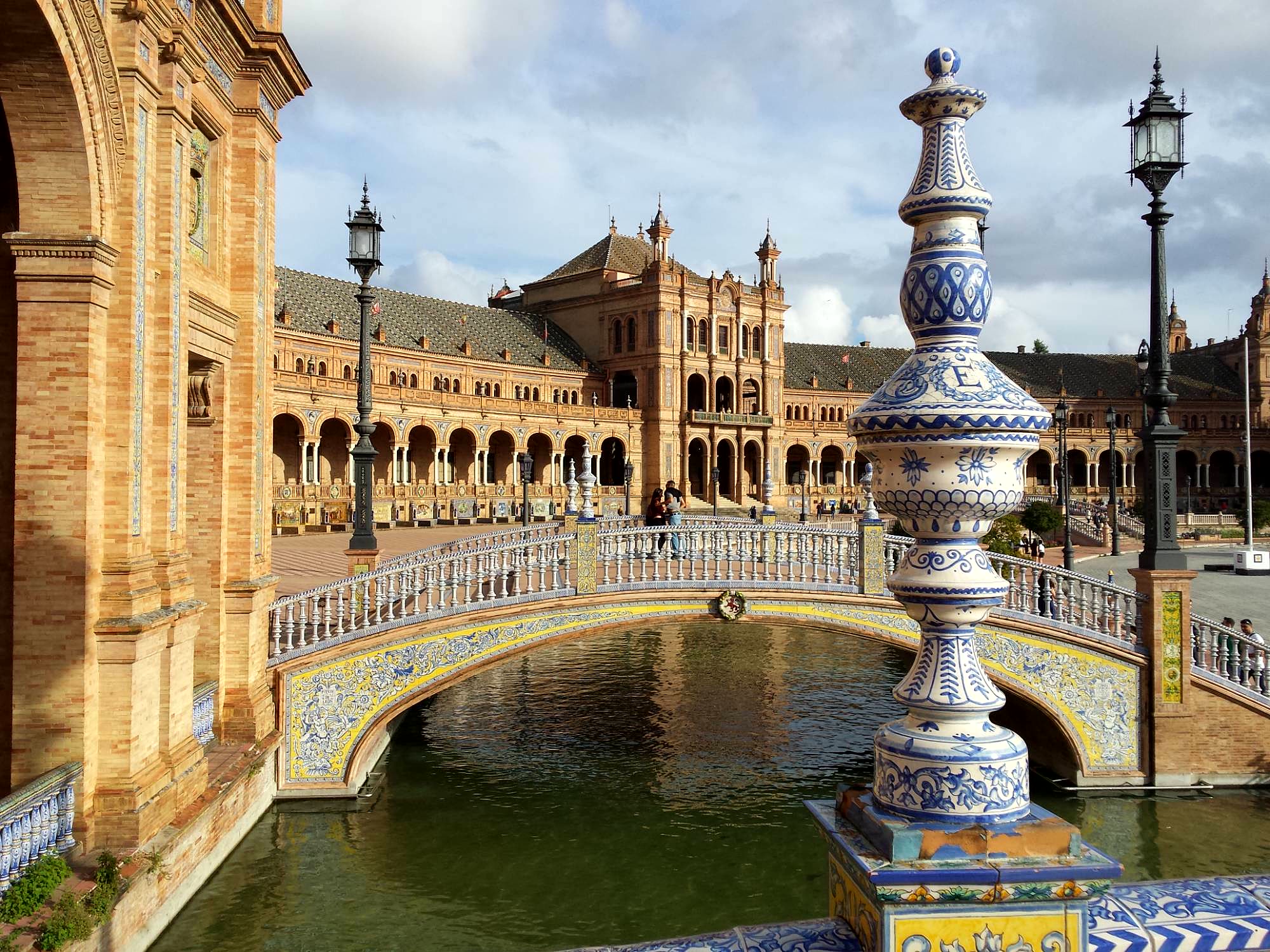
Seville in 3 days: the Plaza de España, the Guadalquivir and the taste of Andalusian tapas
ES EN
New blog 11/02/2026
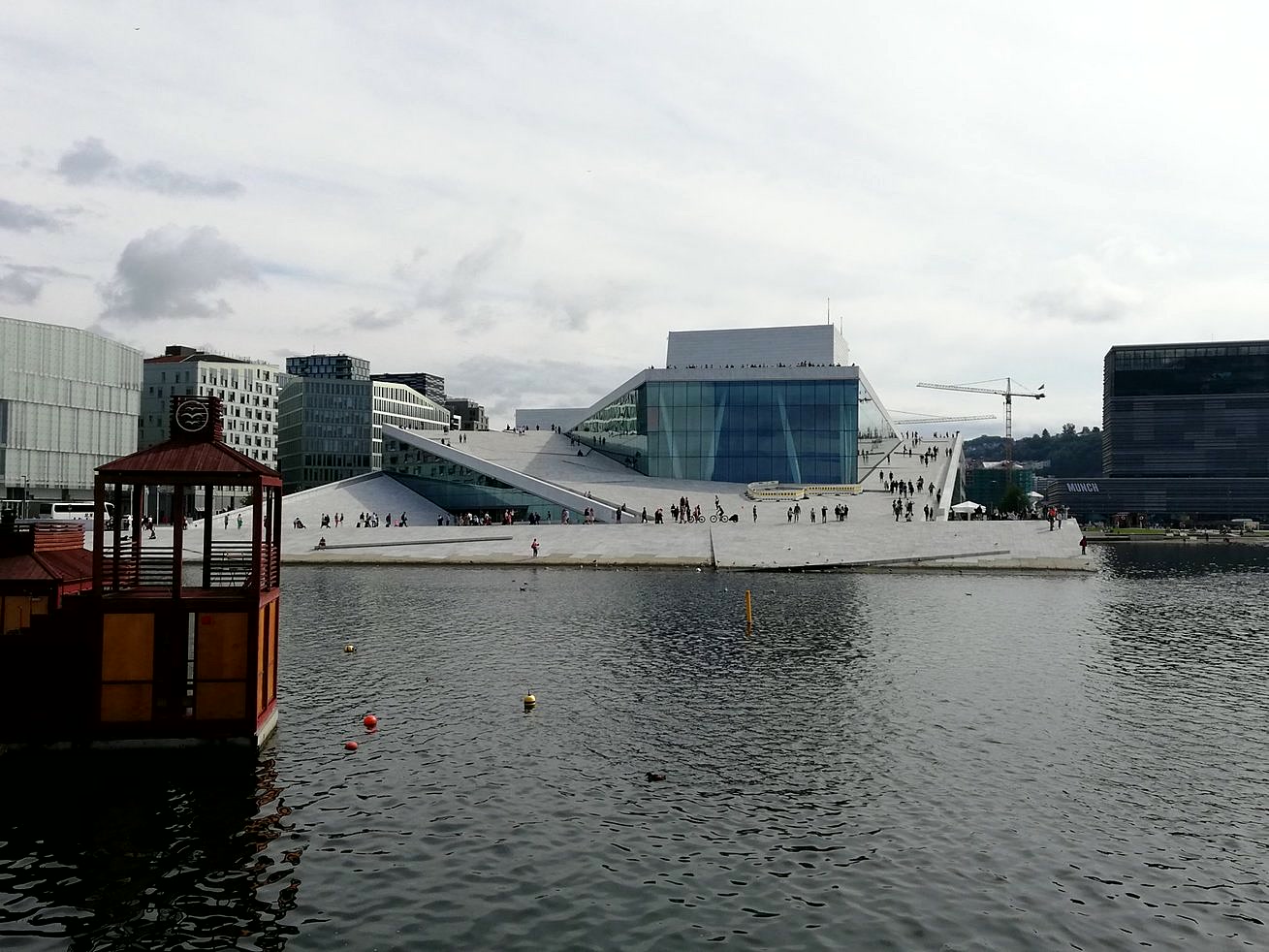
Oslo in 4 days: fjord, sculptures, Munch and Norway's polar history
ES EN
New blog 11/02/2026
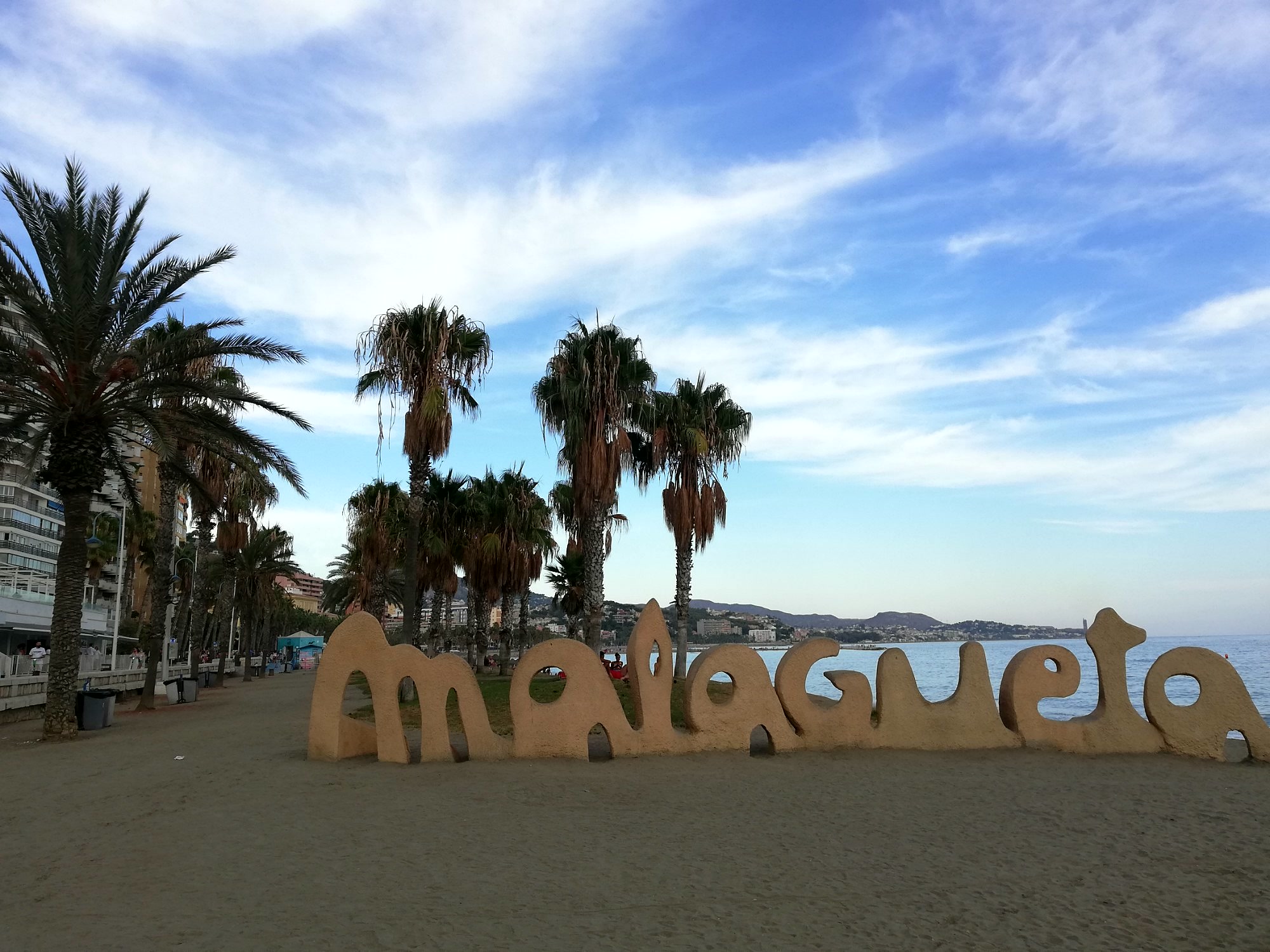
Málaga in 3 days: sun, history, beaches and plenty of fried fish on the Costa del Sol
ES EN
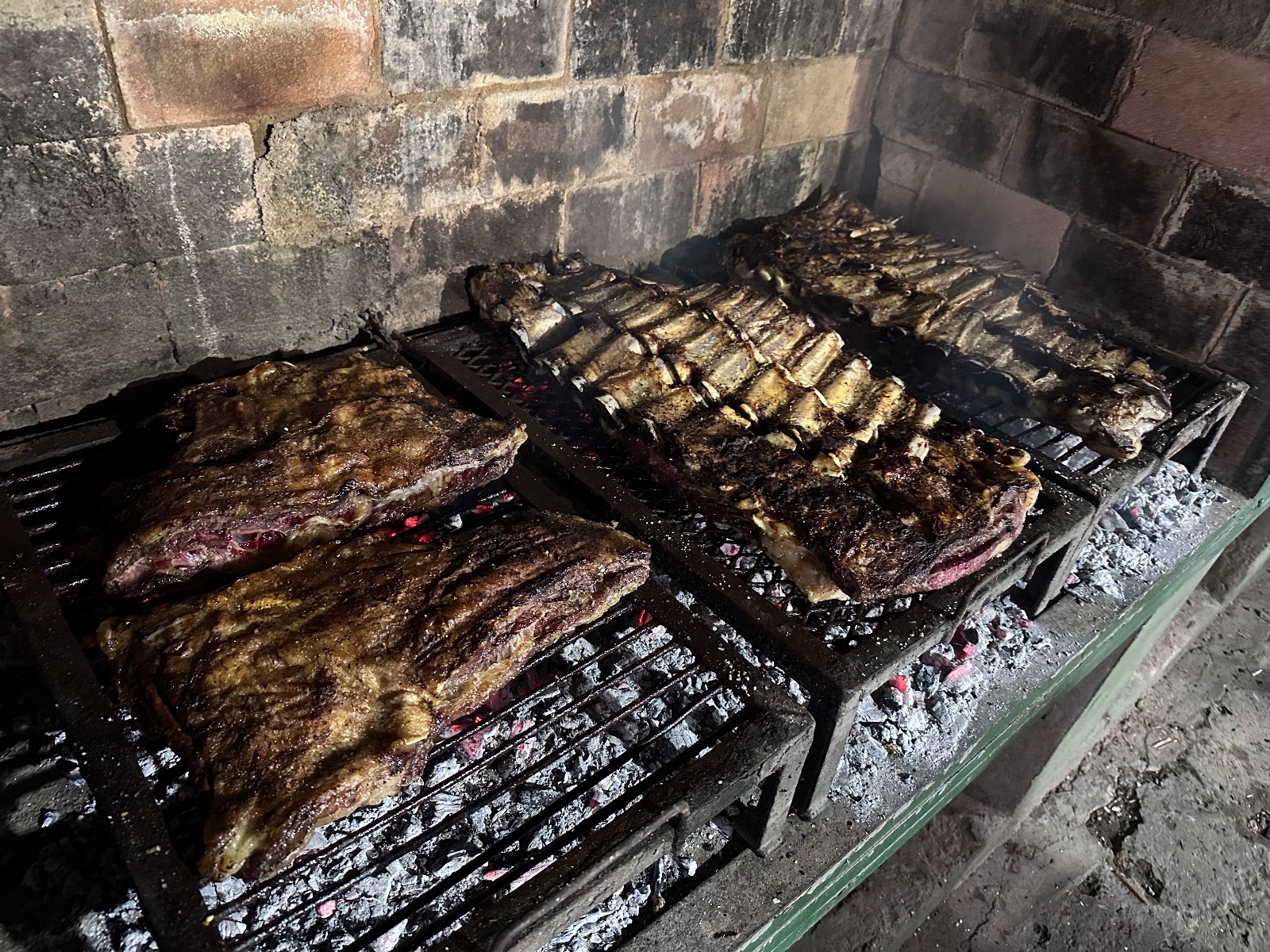
New blog 11/02/2026
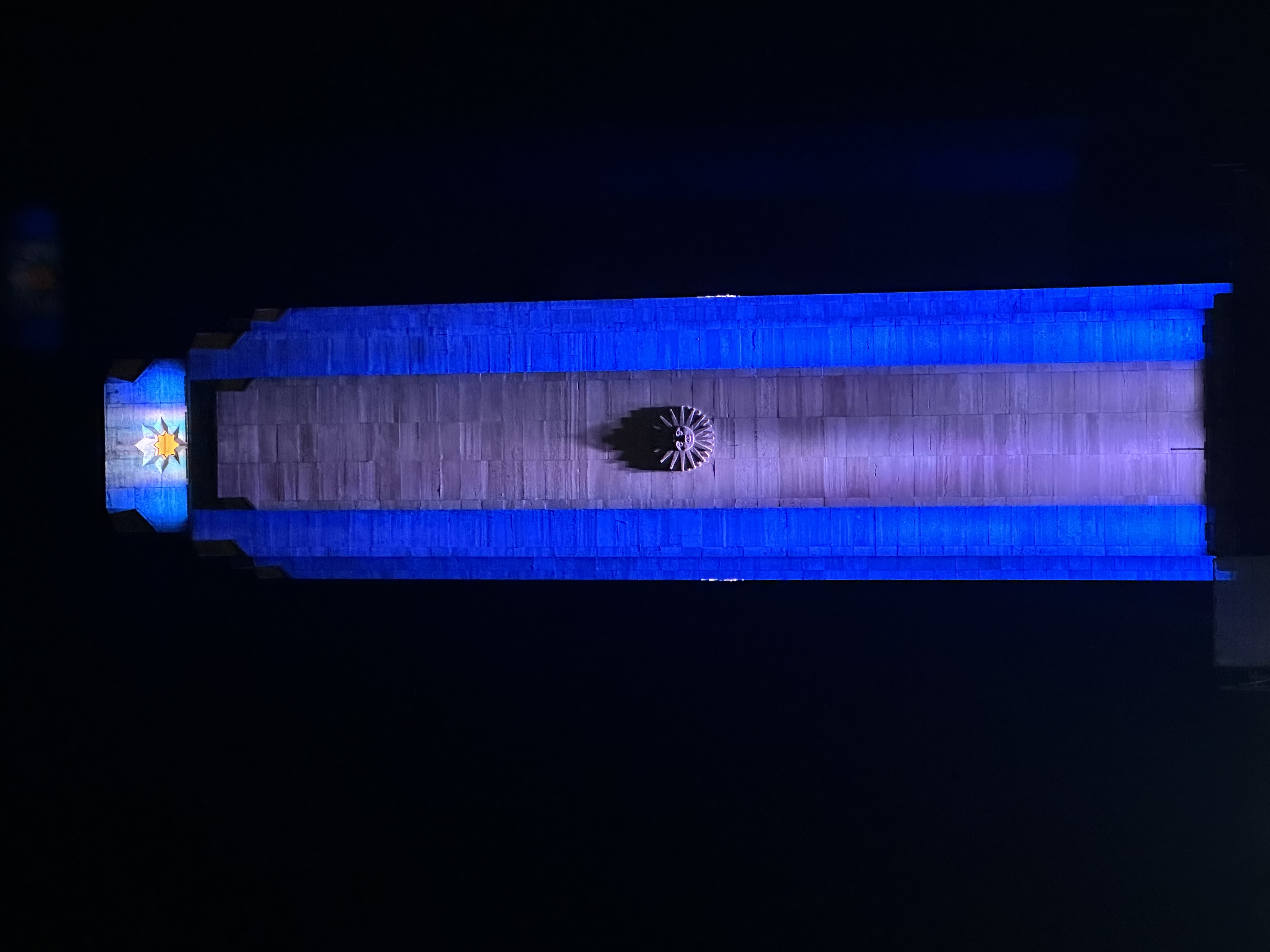
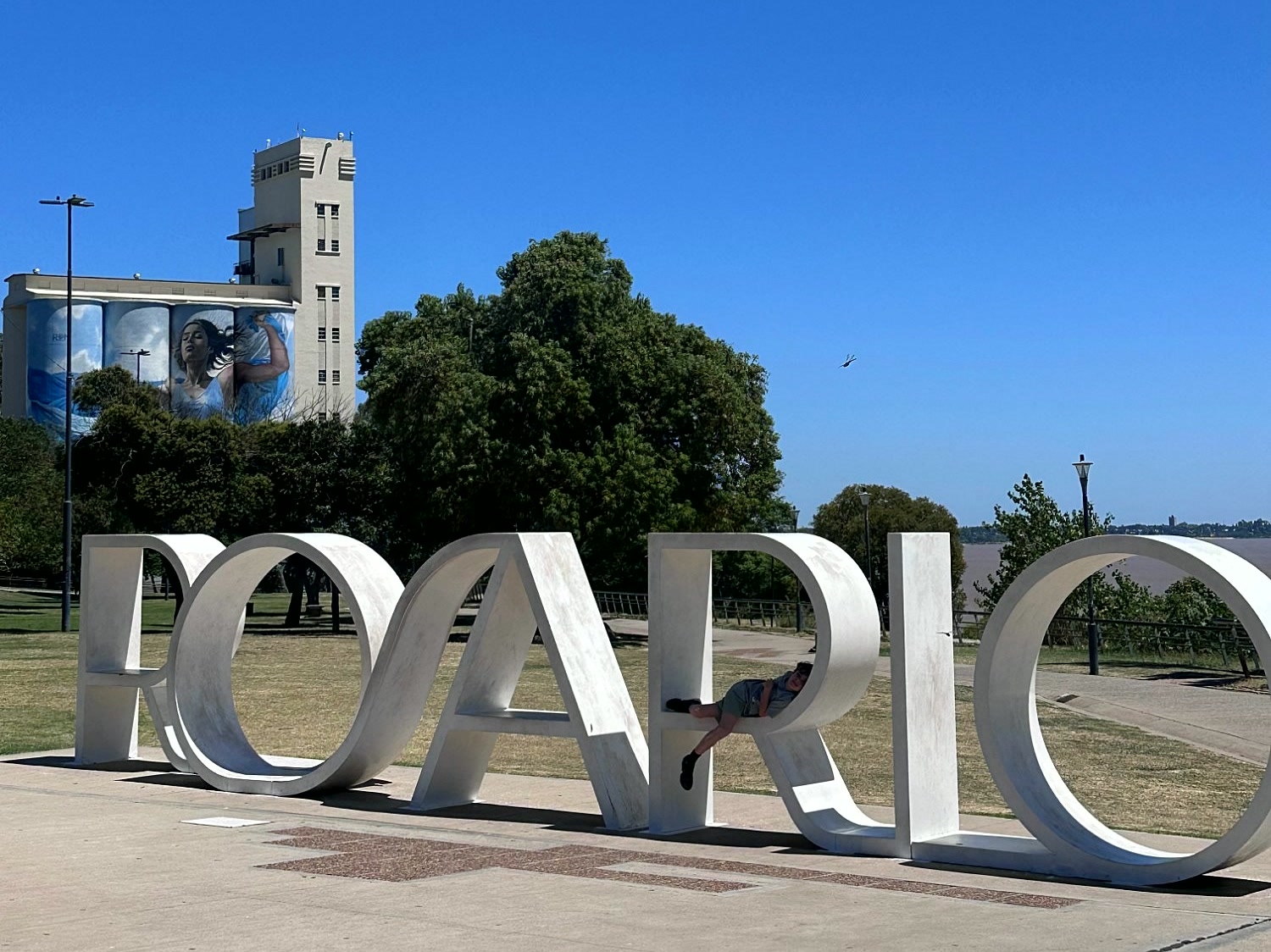
Rosario in 4 days: the cradle of the Flag, the Paraná River, football and the best asado
ES EN
New blog 11/02/2026
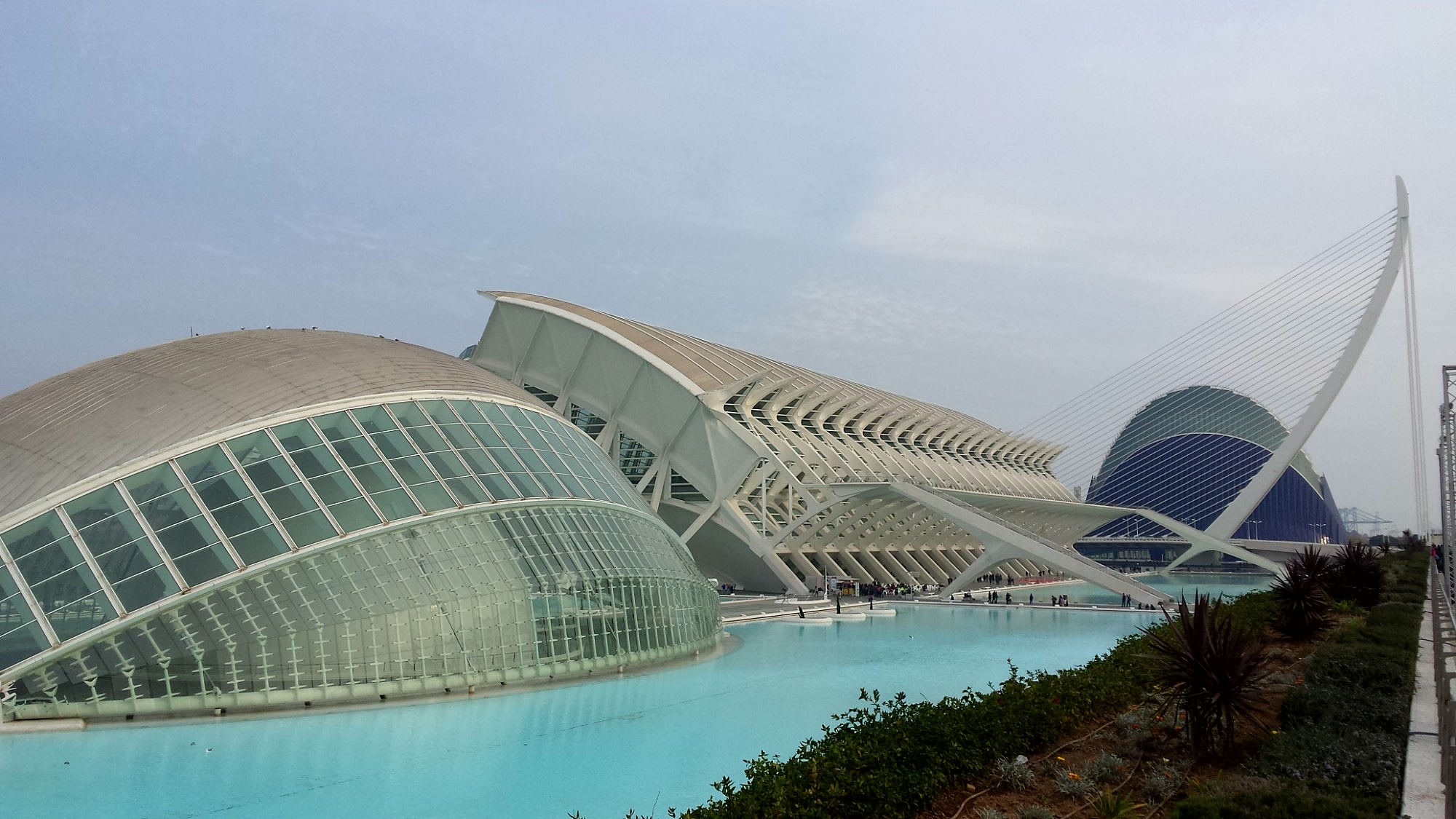
Valencia in 3 days: from the old town to the City of Arts and Sciences
ES EN
New blog 11/02/2026
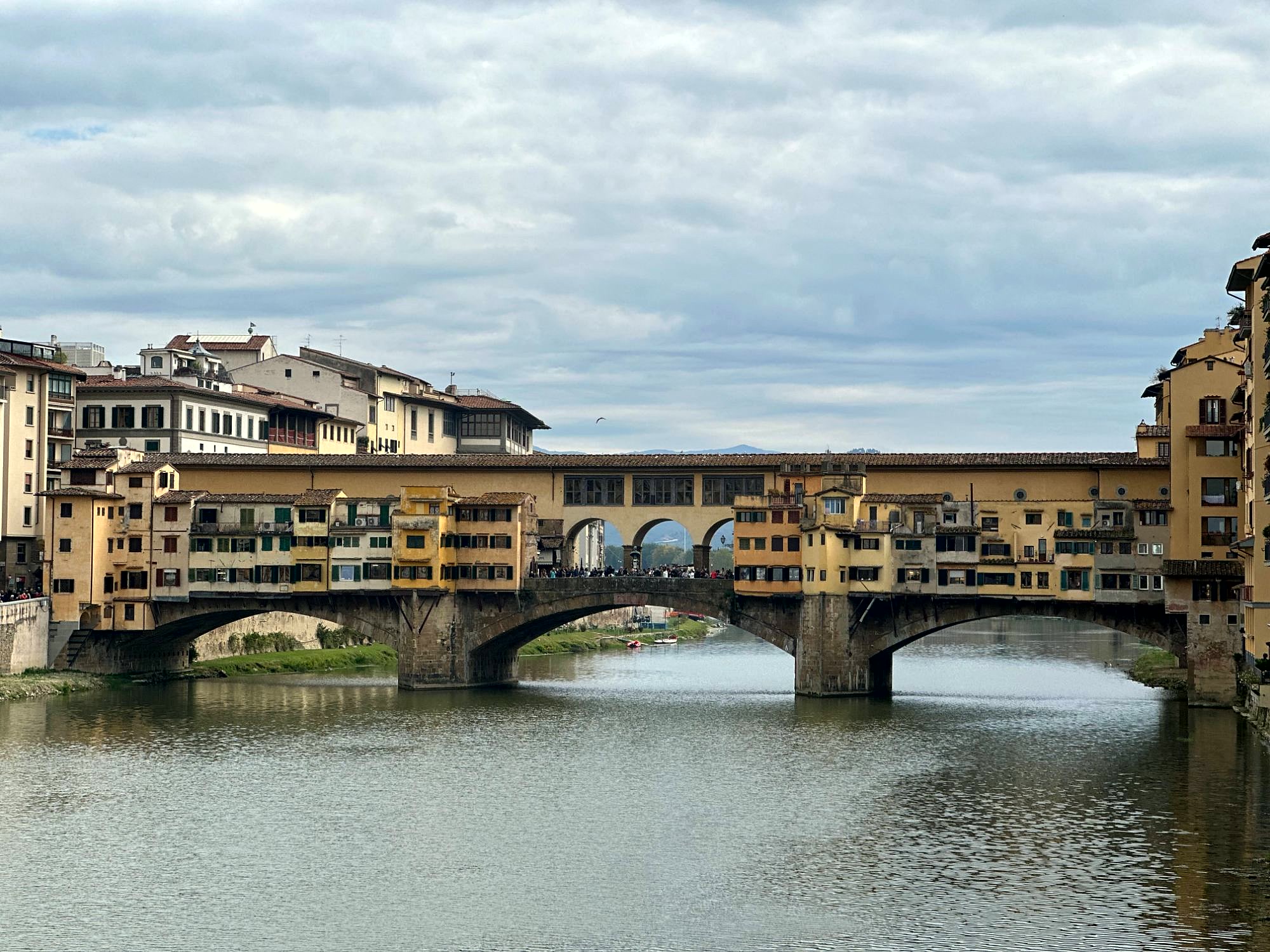
Florence in 3 days: a Renaissance guide, from the Ponte Vecchio to the Duomo
ES EN
New blog 11/02/2026
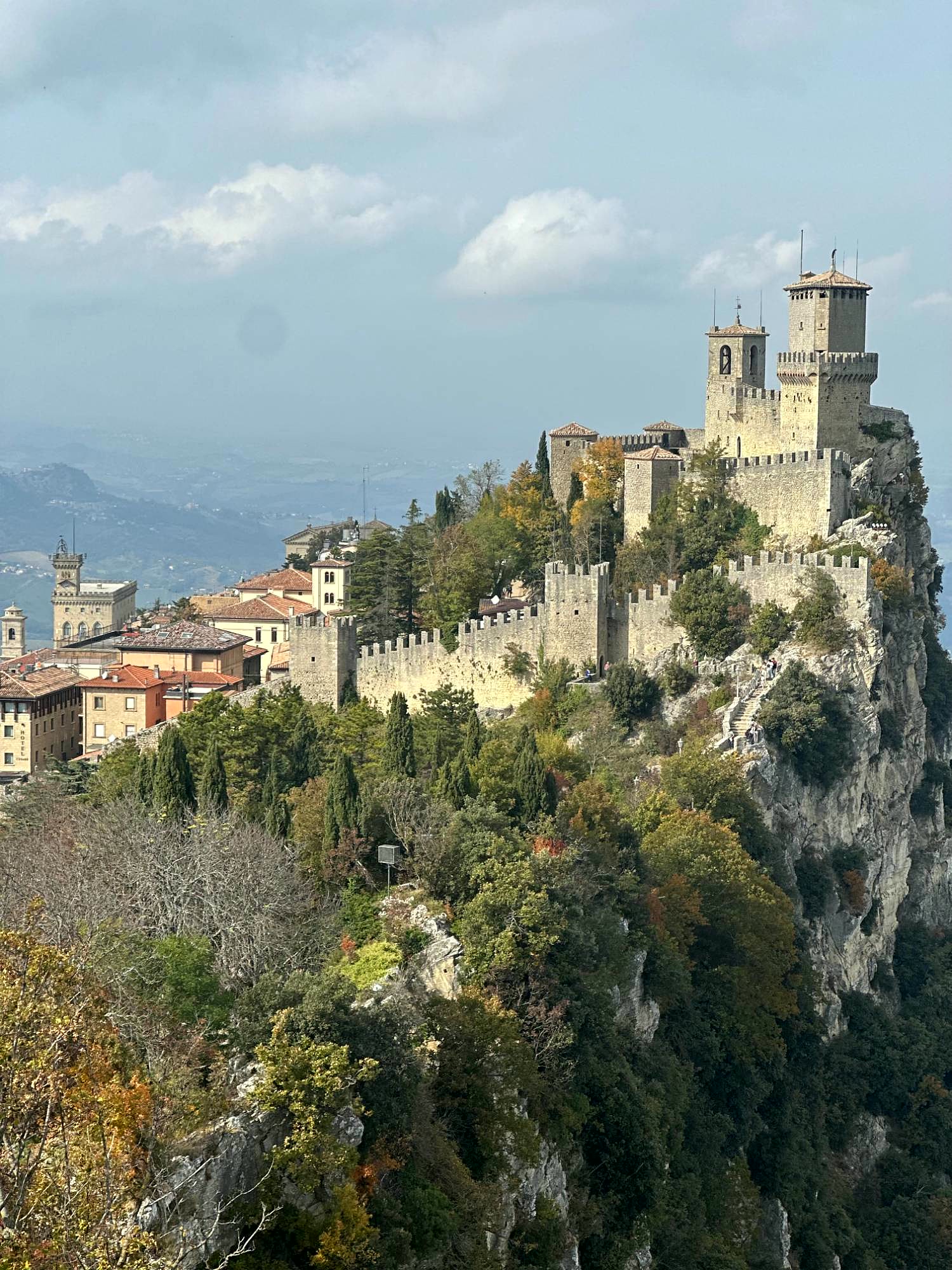
San Marino in a day: the three towers of Monte Titano and the oldest republic in the world
ES EN
New blog 10/29/2026
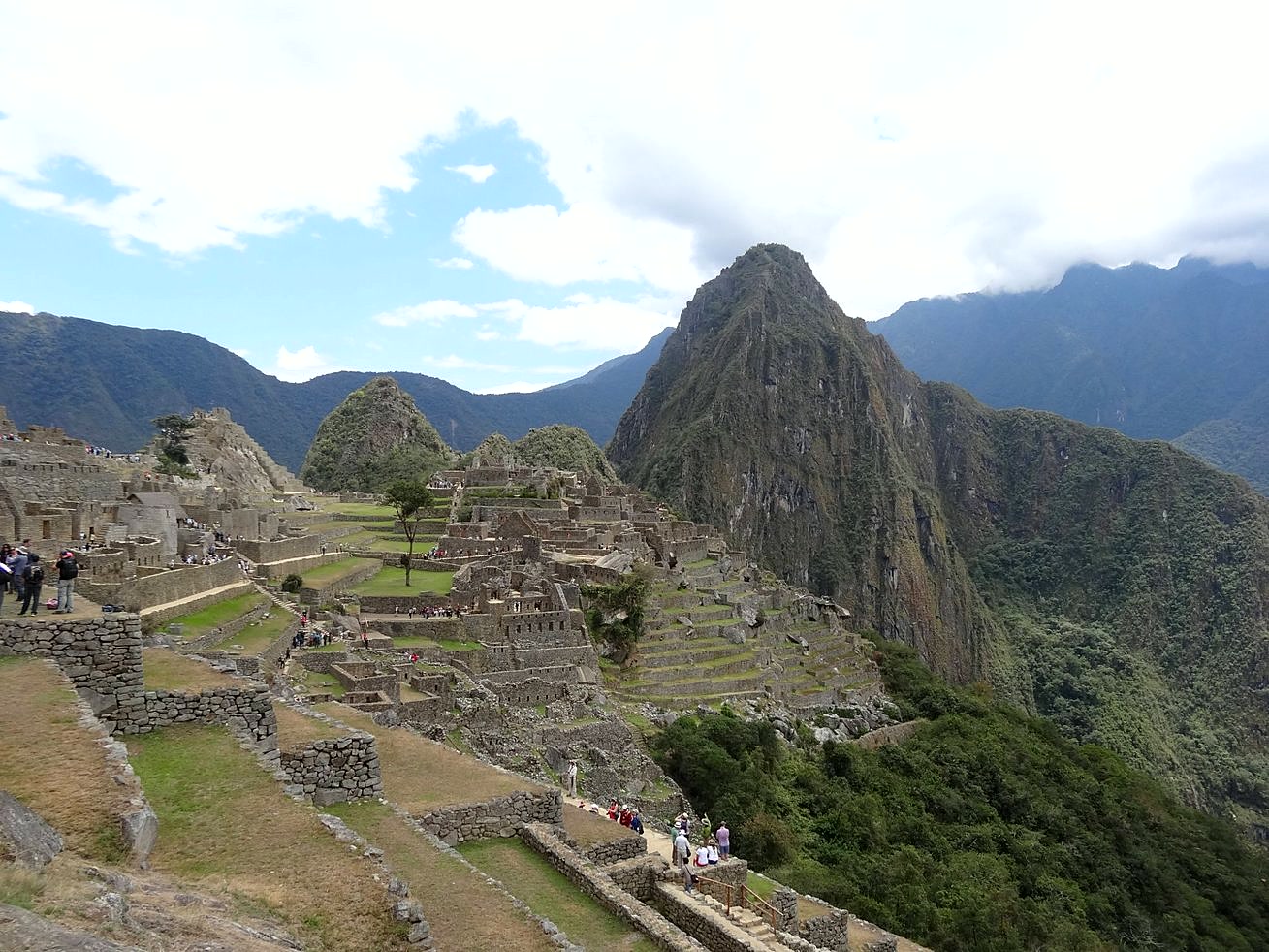
Cusco and Machu Picchu: the Inca capital, the Sacred Valley and the lost citadel
ES EN
New blog 10/29/2026
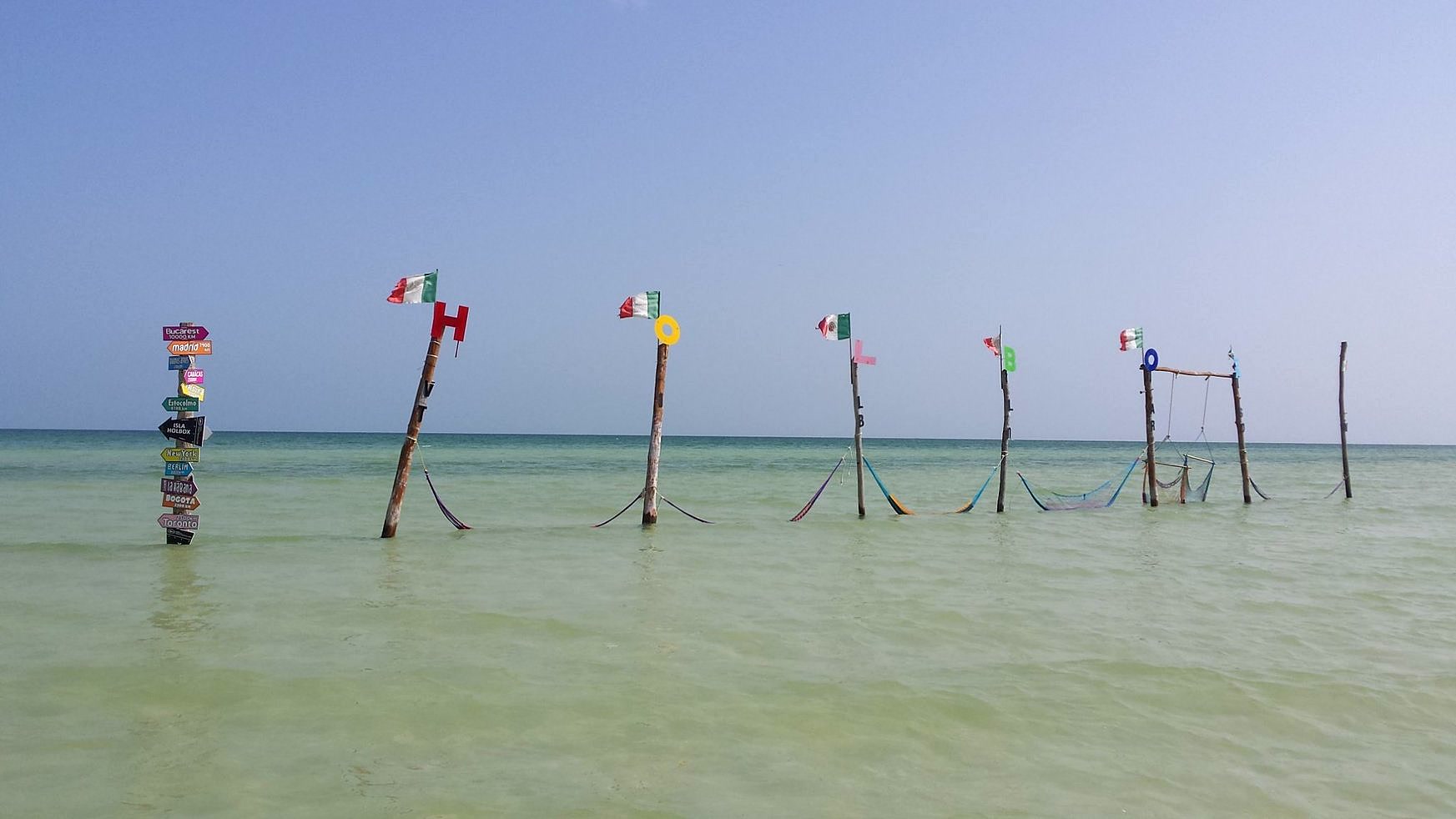
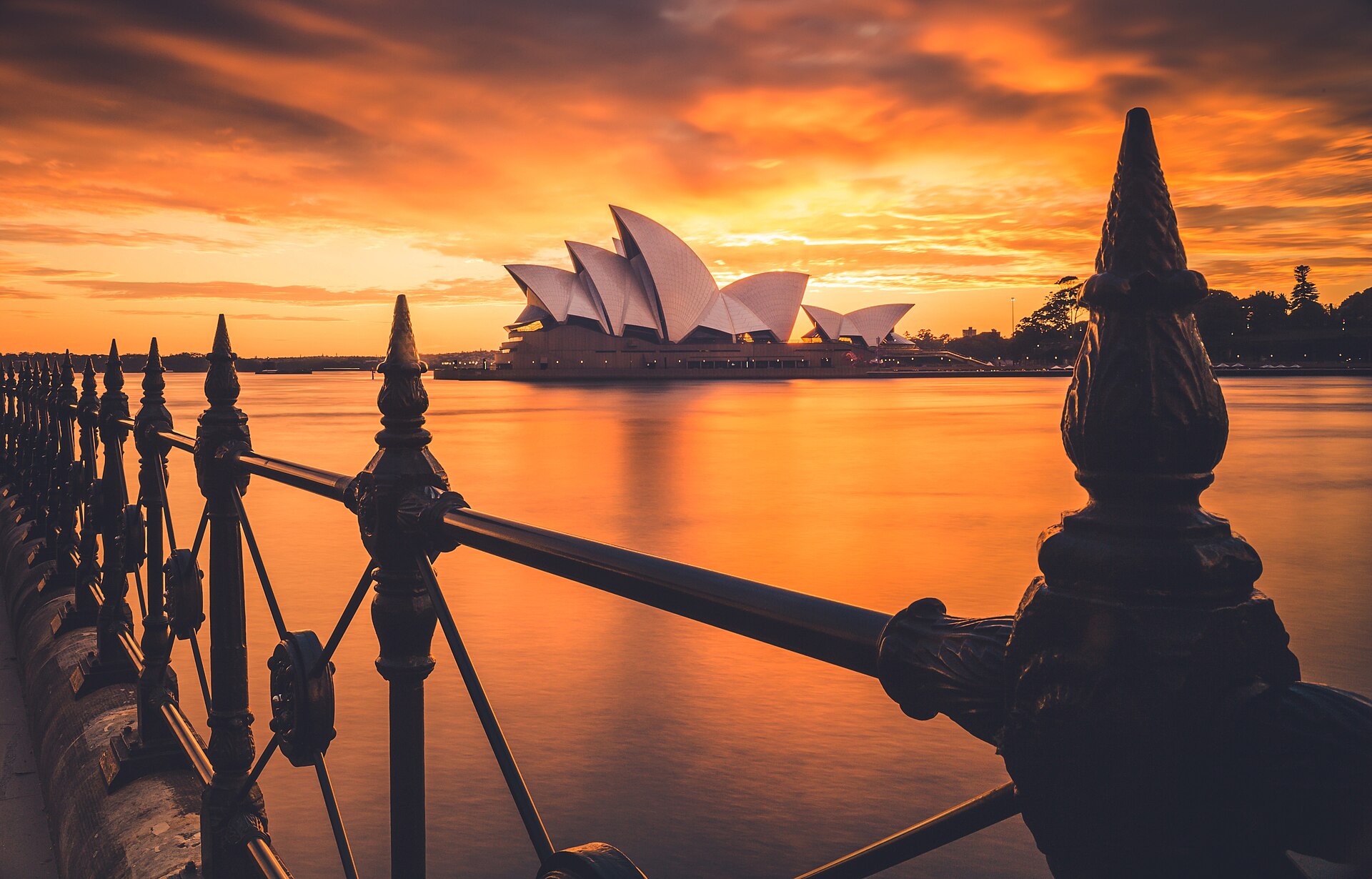
Holbox in 3 days: white-sand beaches, whale sharks and car-free sunsets
ES EN
Trip diary 10/18/2026
Rosario
Argentina Octubre - Boda
1 moment · 10/18/2026
Information 10/01/2026
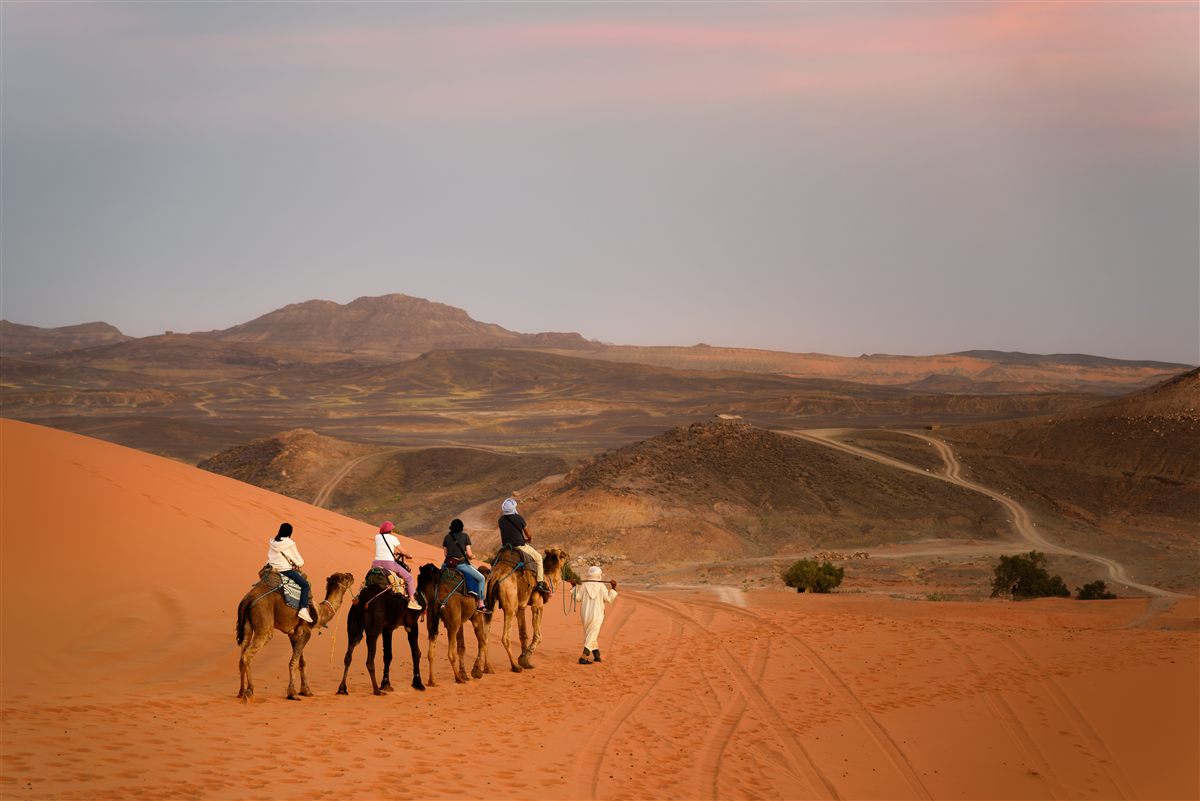
Sahara Desert
The Sahara is the largest hot desert in the world, covering more than 9 million square kilometres across eleven countries in North Africa. Its dunes can reach 180 metres in height, and temperatures range from over 50 degrees during the day to below freezing at night. Nomadic peoples such as the Berbers and the Tuareg have lived in the region for centuries, guiding travellers on camel treks through the dunes. One of the most visited spots is Merzouga, in Morocco, famous for the Erg Chebbi dunes and its clear nights, ideal for stargazing far from light pollution.
Information 09/30/2026
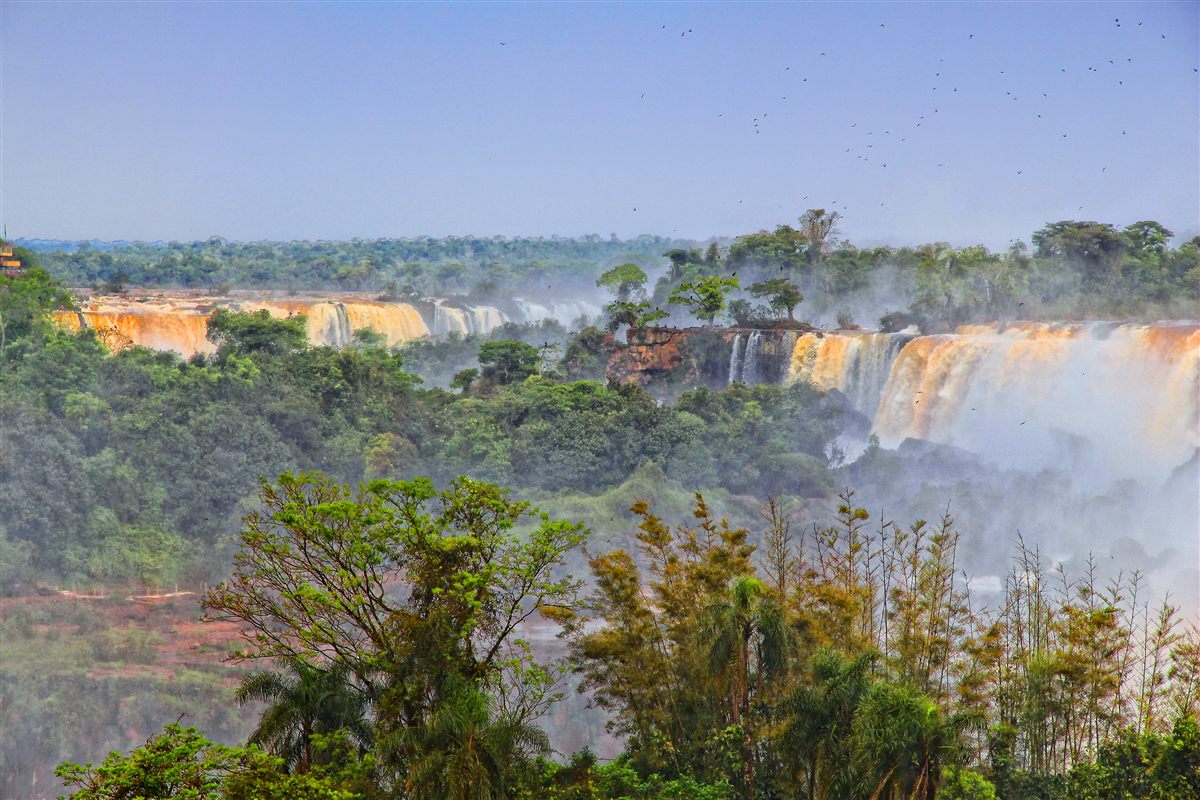
Iguazu Falls
Iguazu Falls is made up of 275 individual waterfalls spread across almost 3 kilometres, on the border between Argentina and Brazil. The most spectacular is the Devil's Throat, a U-shaped drop 150 metres wide and 80 metres tall. They are taller than Niagara Falls and wider than Victoria Falls. They are surrounded by subtropical rainforest declared a UNESCO World Heritage Site, home to toucans, coatis and caimans. They can be visited from the Argentine side, with walkways reaching the edge of the water, or from the Brazilian side, with a panoramic overview.
New blog 09/29/2026
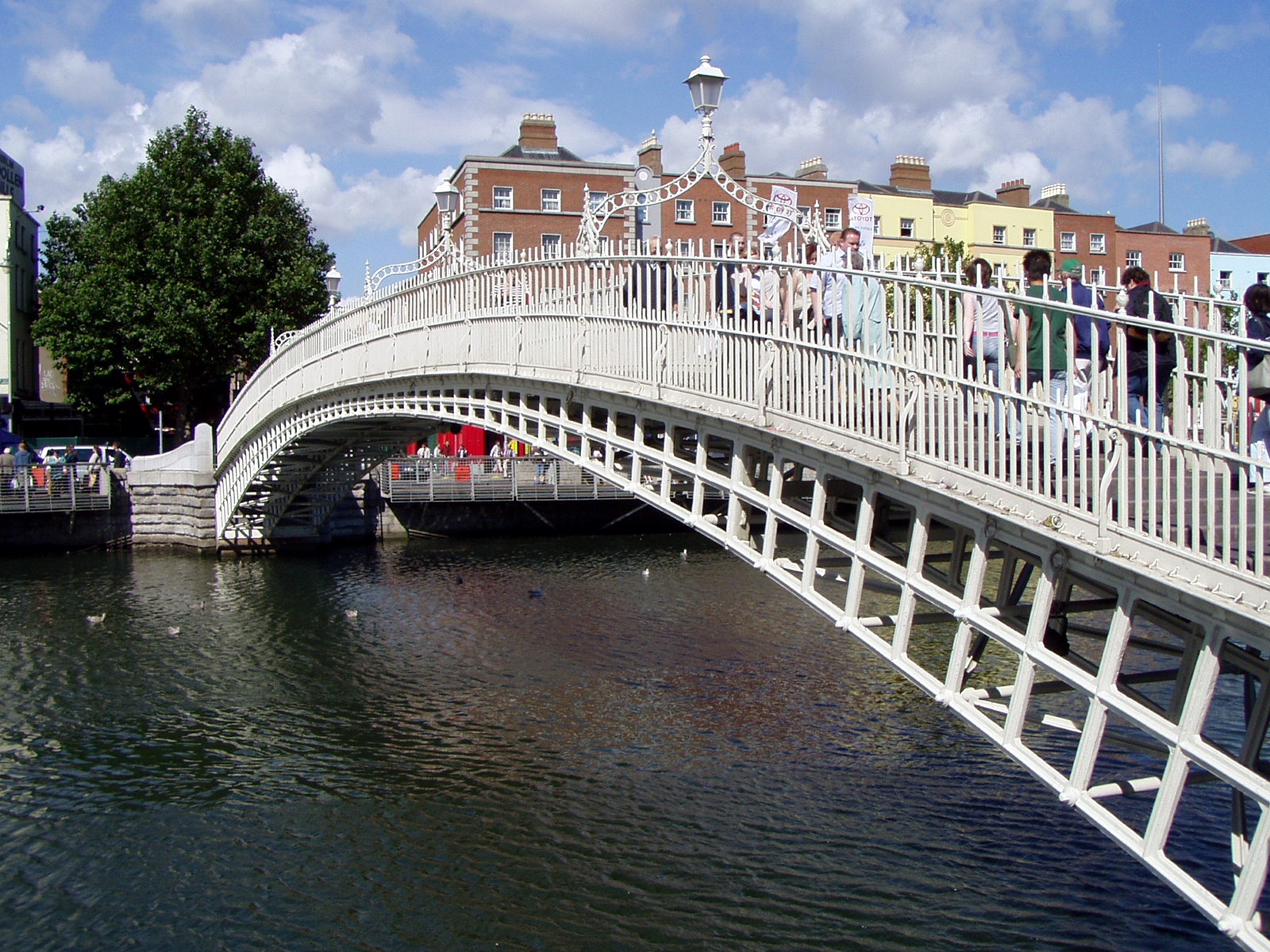
Dublin in 3 days: castles, pubs and a little rain
ES EN
New blog 09/29/2026
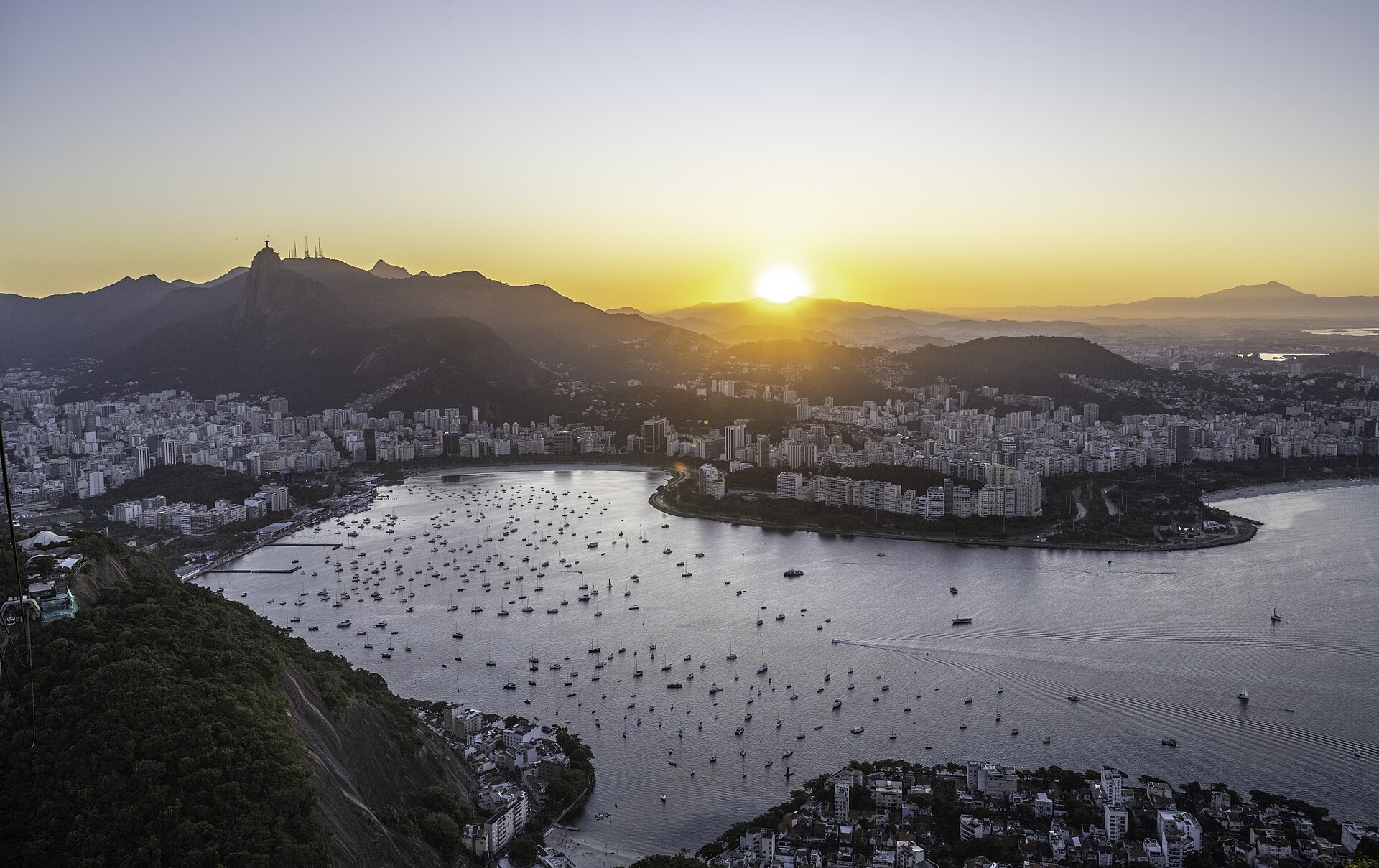
Sydney in 3 days: harbour, beaches and a trip to the mountains
ES EN
New blog 09/29/2026
Rio de Janeiro: Christ the Redeemer, Sugarloaf Mountain and the most famous beaches in the world
ES EN
Votes 09/29/2026
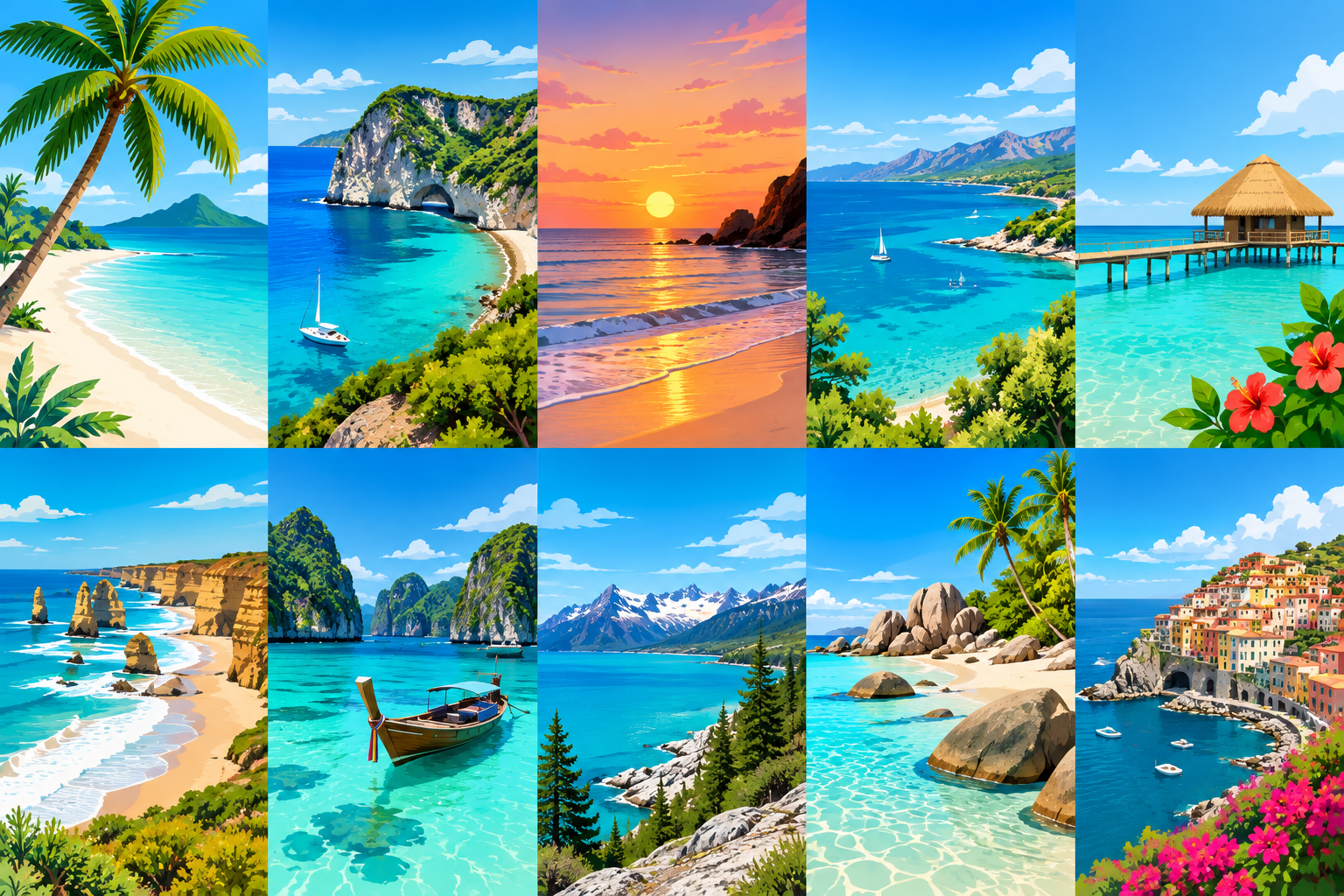
Vote: the most beautiful beaches in the world
We picked some of the most spectacular beaches on the planet. Come vote for your favourite.
Information 09/29/2026
Plitvice Lakes, Croatia
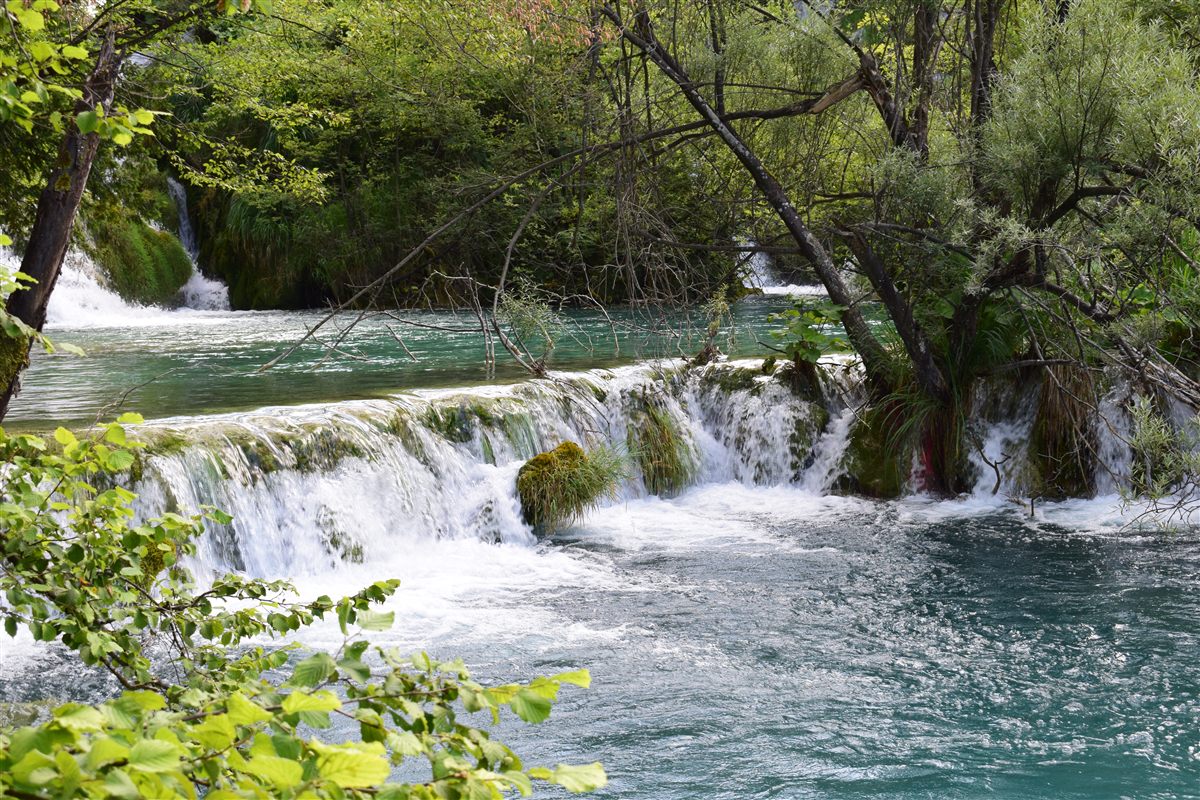
Plitvice is a Croatian national park made up of 16 terraced lakes connected by dozens of waterfalls, linked together by wooden footbridges and trails that cross the water. The turquoise and emerald colour of the water changes depending on the light and the minerals dissolved in the limestone. It was declared a UNESCO World Heritage Site in 1979, one of the first natural sites to receive that distinction. The best time to visit is from May to October, although the frozen lakes in winter are also a sight to see.
Information 09/29/2026
Seychelles
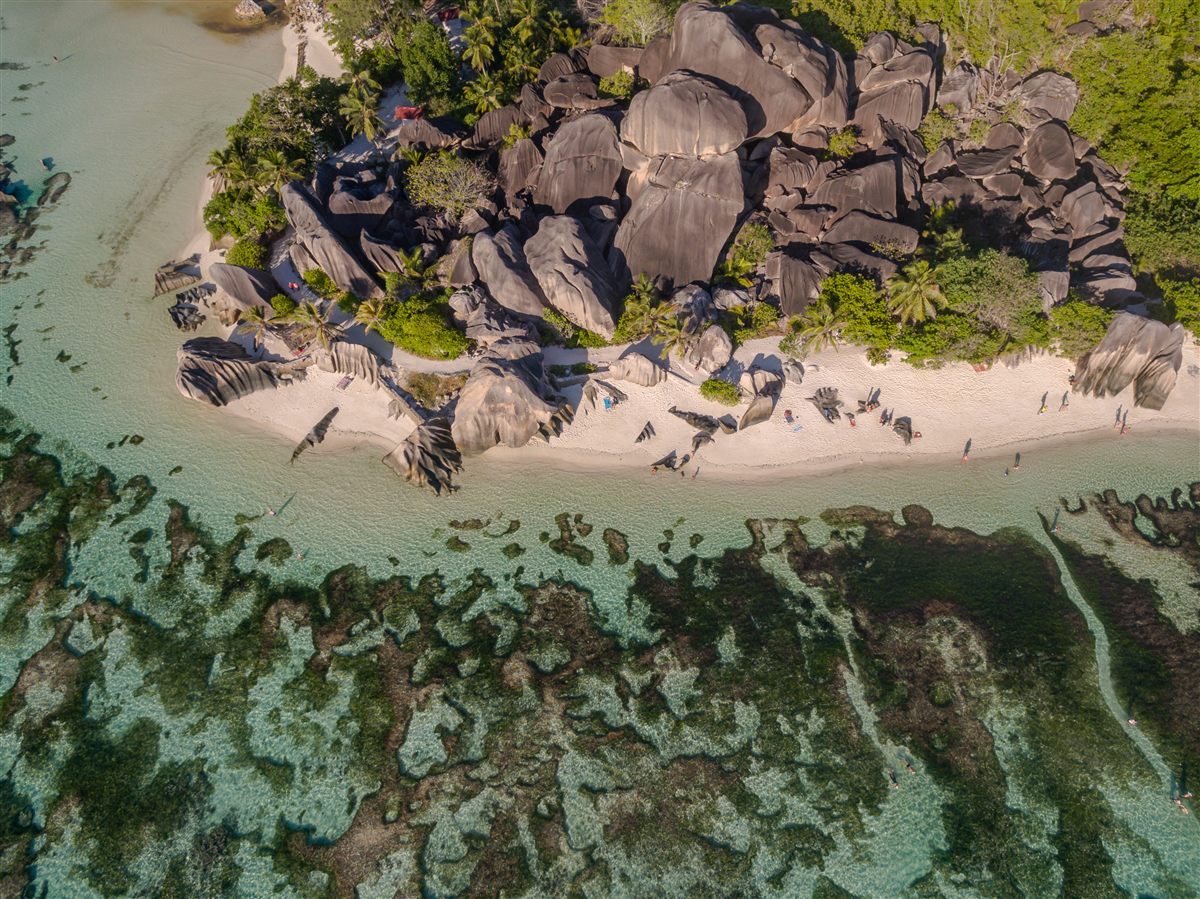
Seychelles is an archipelago of 115 islands in the Indian Ocean, east of Africa. Its most famous beach, Anse Source d'Argent on La Digue island, is known for its enormous pink granite boulders found nowhere else in the world. The Vallee de Mai, on Praslin island, is a UNESCO World Heritage Site and the only place on the planet where the coco de mer grows naturally, the largest seed in the plant kingdom. The islands are also home to giant tortoises that can live for over 100 years. It is one of the most exclusive luxury and eco-tourism destinations in the world.
Last reviews

"A city that has it all. In my opinion, the best capital in the world. You’re never bored—there are thousands of things to do."

I recommend 7 days ES EN
"I fell in love with it: blue alleys, cats everywhere and cheap spices. Get up early to see it without the crowds. I would go back without a doubt."

I recommend 2 days ES EN
"The Ribeira, Dom Luís I Bridge and Livraria Lello: a postcard city. Port cellars in Gaia and francesinha; very hilly, wear comfy shoes."

I recommend 3 days ES EN

"Lisbon is a beautiful and, above all, picturesque city. It offers great food and music."

I recommend 3 days · went in December ES EN

"Riverfront on the Paraná, the Flag Memorial and a unique football atmosphere. Great asado, a calm, little-touristed city; ideal for a weekend."

I recommend 3 days ES EN

"Charles Bridge at dawn, the Jewish Quarter and the Astronomical Clock. Traditional pubs and trdelník; get up early to see the centre without crowds."

I recommend 3 days ES EN

"Elegant and orderly: the Ringstrasse, St. Stephen’s Cathedral and classic cafés. Great transport; in December, Christmas markets everywhere."

I recommend 3 days ES EN
1 / 17